

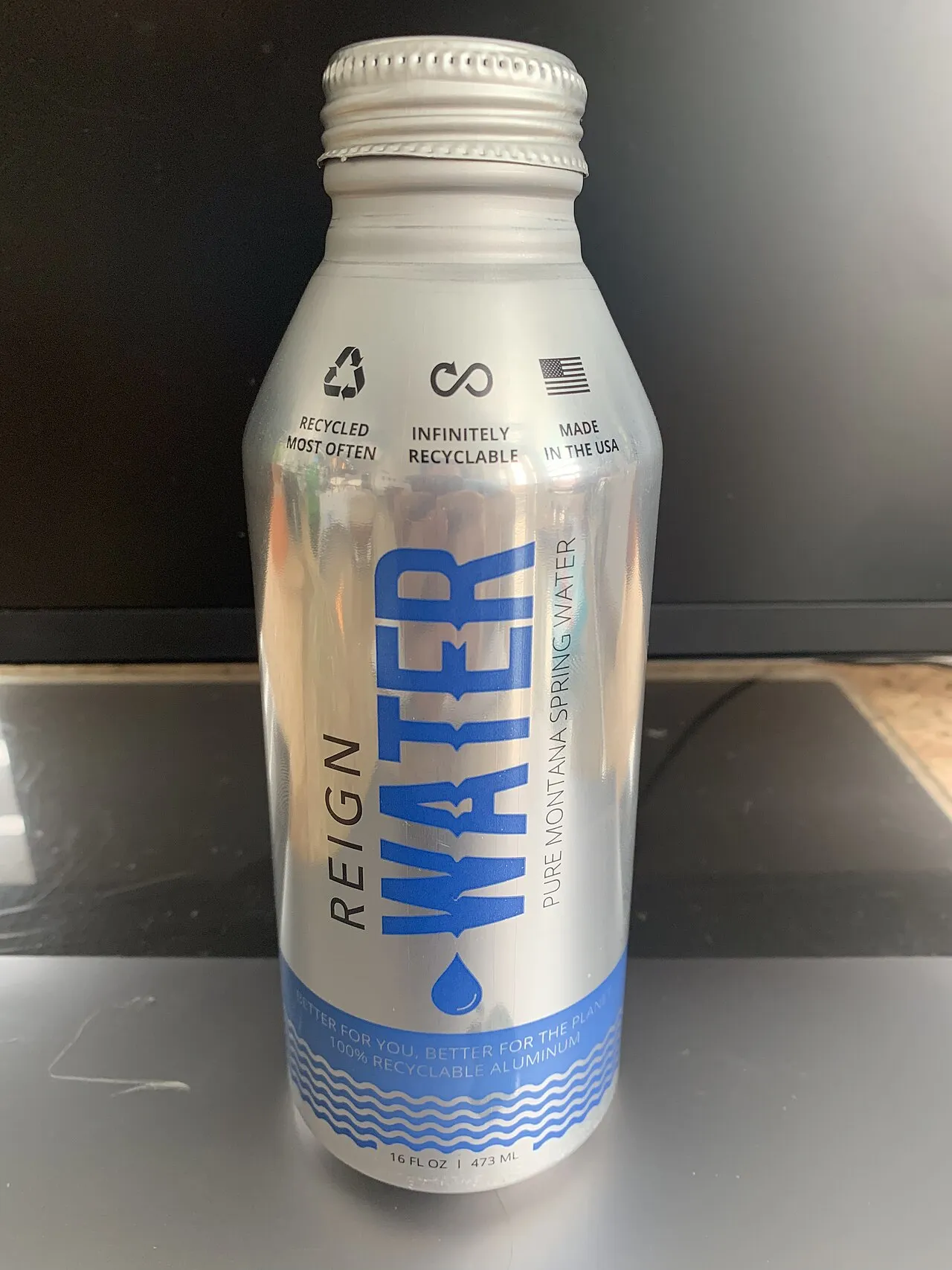
Open most fridges and you will find them: a shelf of bottled water, bought by the crate, restocked without a thought. A new survey of 15,000 people across 81 countries, published in the Journal of Cleaner Production, set out to explain habits exactly like this one, and found that bottled-water consumption persists despite widespread awareness of microplastic harms. The drivers will sound familiar to anyone who cooks and shops for a household: convenience, persuasive marketing, and nagging doubts about tap water.
For home cooks, the question is practical. Water is an ingredient, a drink and a daily ritual, from morning tea to the bottle grabbed on the way out. The study suggests we will not think our way out of the bottled habit. We have to arrange our kitchens so the easier choice is the refill.
Why the Crate Keeps Coming Home
Supermarkets engineer the purchase beautifully. Crates sit at the aisle end, chilled singles wait at the till, and labels murmur about springs and minerals. Against that choreography, tap water offers no theatre at all, just a tap. The researchers found this convenience gap predicted buying far better than environmental knowledge did, in country after country.
Taste quietly props the habit up too. Many households buy bottled because their tap water tastes of chlorine or old pipes, and nobody enjoys drinking water they dislike. That is a solvable problem, with a jug filter, a countertop filter or simply a covered jug rested in the fridge, which softens chlorine taste noticeably. We covered similar small home upgrades in School Phone Ban Study Finds Big Gains for Struggling Learners, where one change removed a daily friction nobody had named.
What the Health Evidence Actually Says
The World Health Organization assessment of microplastics in drinking-water concludes that more research is needed while emphasising that properly treated water supplies keep risks low. Studies finding plastic particles in bottled water itself underline an awkward point: the crate in the fridge is not a guaranteed refuge from the concern that bought it.
The environmental ledger is clearer. The UN Environment Programme counts about a million plastic bottles purchased every minute worldwide, and household crates are a steady, invisible share of that river. Home habits matter precisely because they repeat three hundred days a year.
A Refill-First Kitchen, Gently Installed
Start with the water itself: check your local supply’s published quality report once, and if taste is the only barrier, filter for taste rather than fear. Put a filled glass bottle or jug at eye level in the fridge, cold water ready makes the plastic bottle redundant for most drinks and cooking. Keep one reusable bottle per family member by the door, filled the night before, so the morning grab is a refill rather than a purchase.
Cooking, specifically, is where the bottled habit wastes the most money for the least reason. Water destined to be boiled for tea, rice, soups and pasta gains nothing from a spring on the label, yet many households cook from the crate out of pure shelf momentum. A simple household rule resolves it: the tap, filtered if you prefer, is the kitchen’s water; bottles live only where the tap cannot follow, in the car and the emergency cupboard. Families who make the switch in the kitchen first usually find the rest of the habit follows within a month, because the crate stops being restocked and the whole system quietly reorganises around the jug that is always cold and always there.
Keep a small emergency stock of bottled water, because storms and pipe repairs are real, and rotate it rather than building a wall of crates. The survey’s message, applied to the home, is hopeful: people everywhere are ready to change the moment the better option becomes the easier one. In a kitchen, that moment is a design choice, and it is yours to make this week.
