

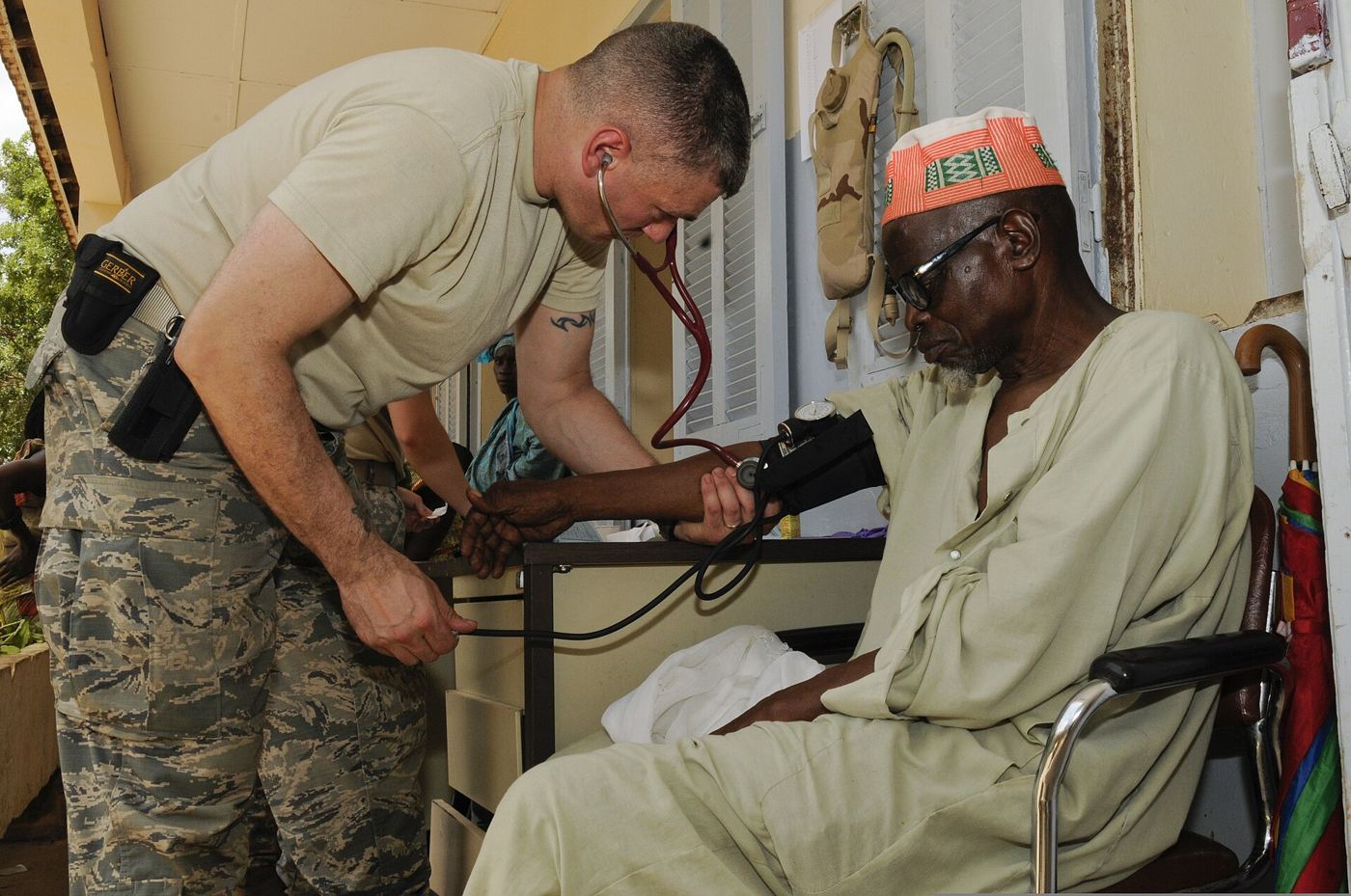
Blood pressure is one of the simplest health measures to check, yet it can reveal important information about how the heart and blood vessels are coping over time. Many people feel completely well even when readings are higher than recommended, which is why routine checks matter for adults of all ages. A brief measurement during a clinic visit, pharmacy appointment or community screening can start a useful conversation about lifestyle, family history and follow up care. Health workers emphasise that a single high reading is not a diagnosis. Readings vary with stress, activity, caffeine and pain, so repeated, correctly taken measurements give a far clearer and fairer picture for everyone involved.
What the Evidence Shows
Accurate checks depend on small details, such as sitting quietly for a few minutes, supporting the arm and using a cuff that fits properly. If readings remain raised over several visits, a clinician may suggest home monitoring, blood tests or changes to daily habits. Reducing salt, staying active, limiting alcohol and not smoking are widely recommended steps that support healthier readings for many people. Medication is prescribed only when needed and should be taken exactly as directed. Keeping a simple record of dates, readings and symptoms helps patients and clinicians spot patterns together. Over time, those small, consistent records can guide better decisions and earlier support and more confident long term care overall. Reporting and analysis from sources such as National Institutes of Health track the same developments, and specialists following regular blood pressure checks heart health say the direction is now consistent across independent lines of evidence.
The Wider Context
The wider context is a health system trying to move from treating illness late to preventing it early, against budgets that reward the opposite. Evidence around regular blood pressure checks heart health is being weighed by guideline committees that ask two questions in order: does it work, and can ordinary services actually deliver it at scale. Many good ideas pass the first test and stall on the second.
What Happens Next
What happens next for regular blood pressure checks heart health depends on the slow machinery of guidelines, funding and training catching up with the evidence. Patients asking about it today should expect honest answers that include uncertainty, and clinicians say a service that explains what is not yet known earns more trust than one that oversells. The research pipeline, at least, is moving in the right direction. You can follow related developments in our coverage of health.
None of this will be settled by a single announcement, study or product launch. The pattern to watch is accumulation: independent confirmations, honest reporting of failures and steady improvement in the underlying numbers. Readers who follow those signals, rather than the loudest claim of the week, will understand this subject better than most of the commentary surrounding it suggests is possible.
