

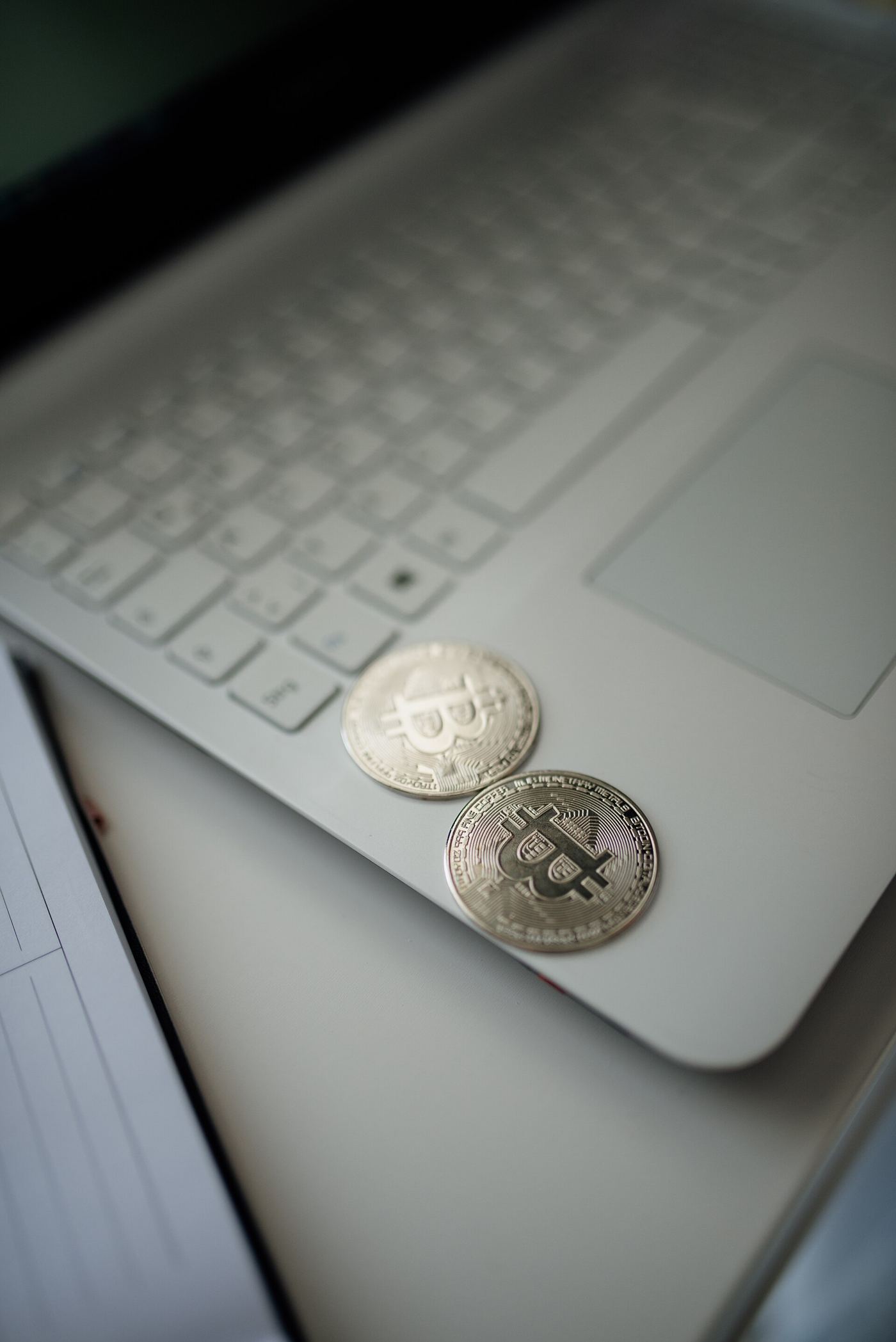
North Korean hackers stole more than 6 billion dollars of virtual assets from Binance, the largest cryptocurrency exchange in the world, on October 29 2026, in the biggest crypto theft ever recorded. The Federal Bureau of Investigation said on October 31 that the theft was carried out by a North Korean group it calls TraderTraitor, and it published wallet addresses linked to the stolen funds. Blockchain firm TRM Labs estimated that about 6.36 billion dollars was moved out of Binance wallets in about 20 minutes, more than four times the 1.5 billion dollars taken from Bybit in February 2025. Binance said it would absorb the loss from company funds and that it had replaced 90 percent of the stolen amount by buying new tokens.
What the Evidence Shows
Binance described the attack as a sophisticated multi stage campaign that began months earlier, when hackers compromised developers and trusted tools before reaching the exchange’s internal signing service. The exchange said it detected and blocked 57 suspected North Korean attempts during 2026 alone, but this one got through, and withdrawals were paused while the damage was assessed. The Justice Department later said that American government and private sector efforts had frozen or secured more than 2.7 billion dollars of the stolen money, with court authorisation to seize more than 1.2 billion dollars of it. The stolen assets are being converted mainly into ether and laundered through bridges and mixers, and North Korea has denied any role in the theft. The case has become a warning for every exchange that holds customer funds in hot wallets connected to the internet. Reporting and analysis from sources such as European Central Bank track the same developments, and specialists following the record Binance hack say the direction is now consistent across independent lines of evidence.
The Wider Context
The wider context is a sector being absorbed, piece by piece, into the regulated financial mainstream. Work on the record Binance hack now happens under licensing regimes, audit expectations and consumer-protection rules that would have been unrecognisable a few years ago. Long-standing participants are divided between relief at the legitimacy and regret for the experiment’s wilder freedoms.
What Happens Next
What happens next for the record Binance hack will be shaped by the interaction of regulation, market appetite and the sector’s own capacity for self-inflicted wounds. The infrastructure is more professional than it was, the rules are clearer, and the remaining question is whether growth can stay boring. Participants with the longest memories say boring would be the real milestone. You can follow related developments in our coverage of crypto.
None of this will be settled by a single announcement, study or product launch. The pattern to watch is accumulation: independent confirmations, honest reporting of failures and steady improvement in the underlying numbers. Readers who follow those signals, rather than the loudest claim of the week, will understand this subject better than most of the commentary surrounding it suggests is possible.
