

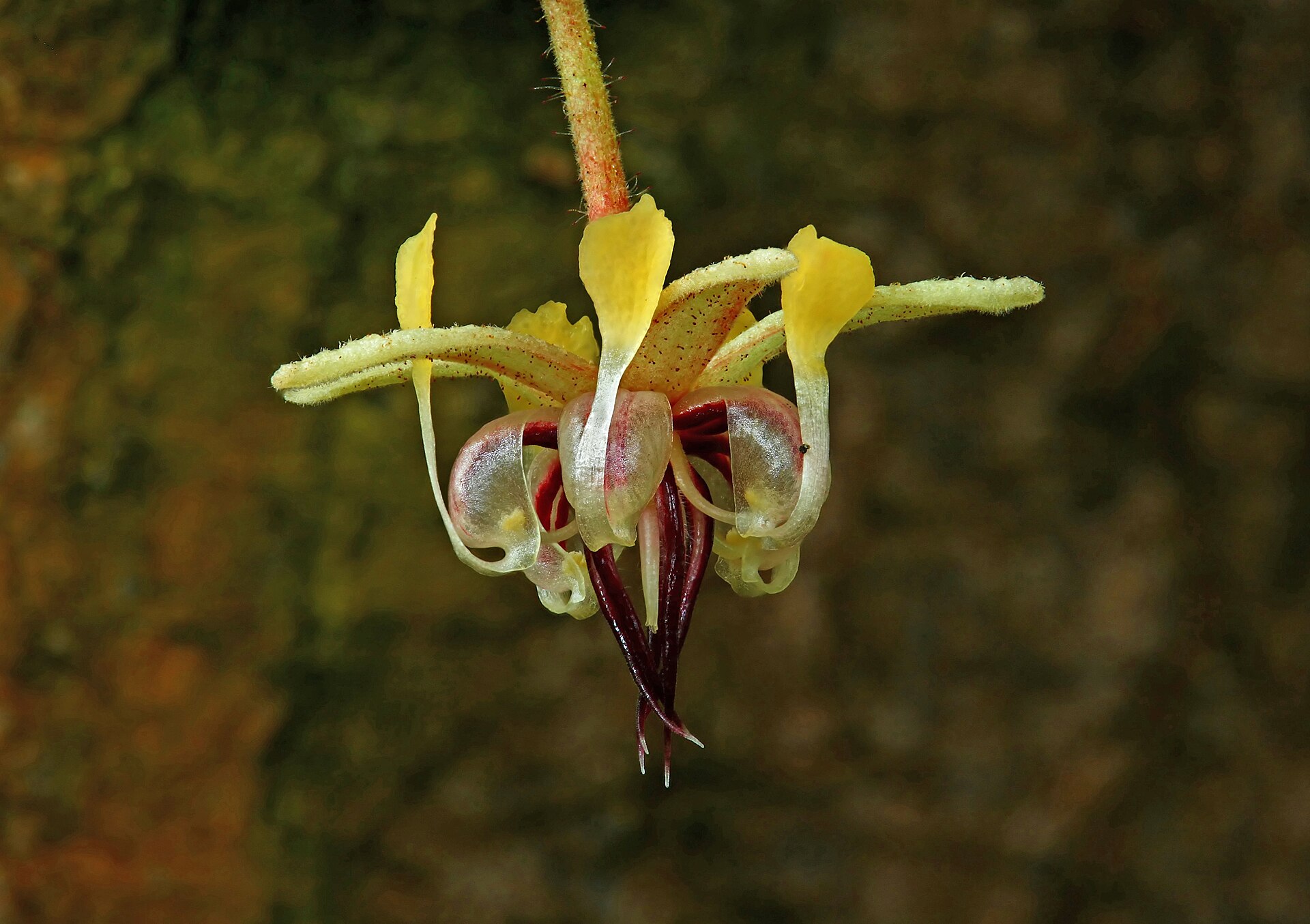
Chocolate and coffee share an uncomfortable secret: both depend on crops grown in narrow tropical bands that climate change is steadily squeezing. Cocoa prices have swung violently after poor West African harvests, and coffee growers face heat, erratic rain and spreading disease. Into that fragility has stepped a new idea — growing cocoa and coffee not on trees but from plant cells in steel bioreactors, close to the factories and cities that consume them.
The process borrows from both brewing and biotechnology. Scientists take cells from a cocoa or coffee plant, feed them sugars and nutrients in a tank, and harvest a biomass that can be dried, roasted and processed. Reporting at the BBC on early producers describes products that are recognisably chocolate-like and coffee-like, if not yet indistinguishable from the finest conventional beans. For readers of our food coverage, the interesting question is not whether it can be done, but where such a product could sensibly fit.
Why Harvests Have Become So Fragile
Cocoa is concentrated to an extraordinary degree: a large share of the world’s supply comes from Ghana and Côte d’Ivoire, where smallholder farmers contend with ageing trees, swollen shoot disease and rainfall that no longer follows old patterns. Coffee’s prized arabica is similarly fussy, suited to cool highlands that are warming year by year. When harvests fail in such concentrated systems, prices do not rise gently; they spike, and manufacturers quietly reformulate products or shrink them.
Cell-grown ingredients promise to loosen that geography. A bioreactor in Europe or North America does not care about a failed rainy season, and production can in principle be scaled steadily rather than gambled on weather. There is also a deforestation argument: cocoa expansion has driven forest loss in West Africa, and an alternative supply that needs no new farmland could relieve that pressure — if it ever reaches a meaningful share of the market, which it has not yet done.
Taste, Cost and the Blending Compromise
The obstacles are familiar to anyone who followed plant-based meat. Cost is the first: growing plant cells in sterile tanks is far more expensive per kilogram than farming, and energy use determines whether the climate case survives scrutiny. Research coverage in Nature on cultivated foods stresses that renewable electricity and efficient processes are decisive, not decorative, in such calculations. Taste is the second obstacle. Chocolate flavour is the product of fermentation, roasting and hundreds of volatile compounds; a cell culture reproduces part of that chemistry, not all of it.
That is why most start-ups are not promising to replace the single-origin bar or the speciality espresso. They are aiming at the industrial middle: cocoa powder for biscuits, fillings and coatings, where flavour is blended and price volatility hurts most. Our blog coverage of food innovation has seen this pattern before — a new ingredient earns its place as a stabiliser in mass products long before it wins over connoisseurs, and often that is enough to build a real business.
What Happens to the Farmers
Any honest account has to include the millions of smallholders for whom cocoa and coffee are not commodities but livelihoods. A technology that undercut them would trade one fragility for a human one. The more plausible future described by researchers is mixed: cell-grown supply absorbs industrial demand and price shocks, while farmed beans, properly paid for, move upmarket on flavour, origin and sustainability. That future, however, requires the premium to actually reach farmers, which the current market often fails to deliver.
Regulation will also shape the timeline. Novel foods need safety approval in most markets, and labelling fights — over whether a bioreactor product may call itself chocolate or coffee at all — are predictable. Consumers, meanwhile, will judge with their tongues and wallets.
Lab-grown cocoa and coffee should therefore be read as insurance, not replacement. Harvests are becoming less reliable, demand is not falling, and a food system with only one way of producing its favourite crops is a fragile one. A second way, even an imperfect and initially expensive one, changes the risk calculation. Whether it changes breakfast is a question the next decade of taste tests, energy bills and harvests will answer together.
