

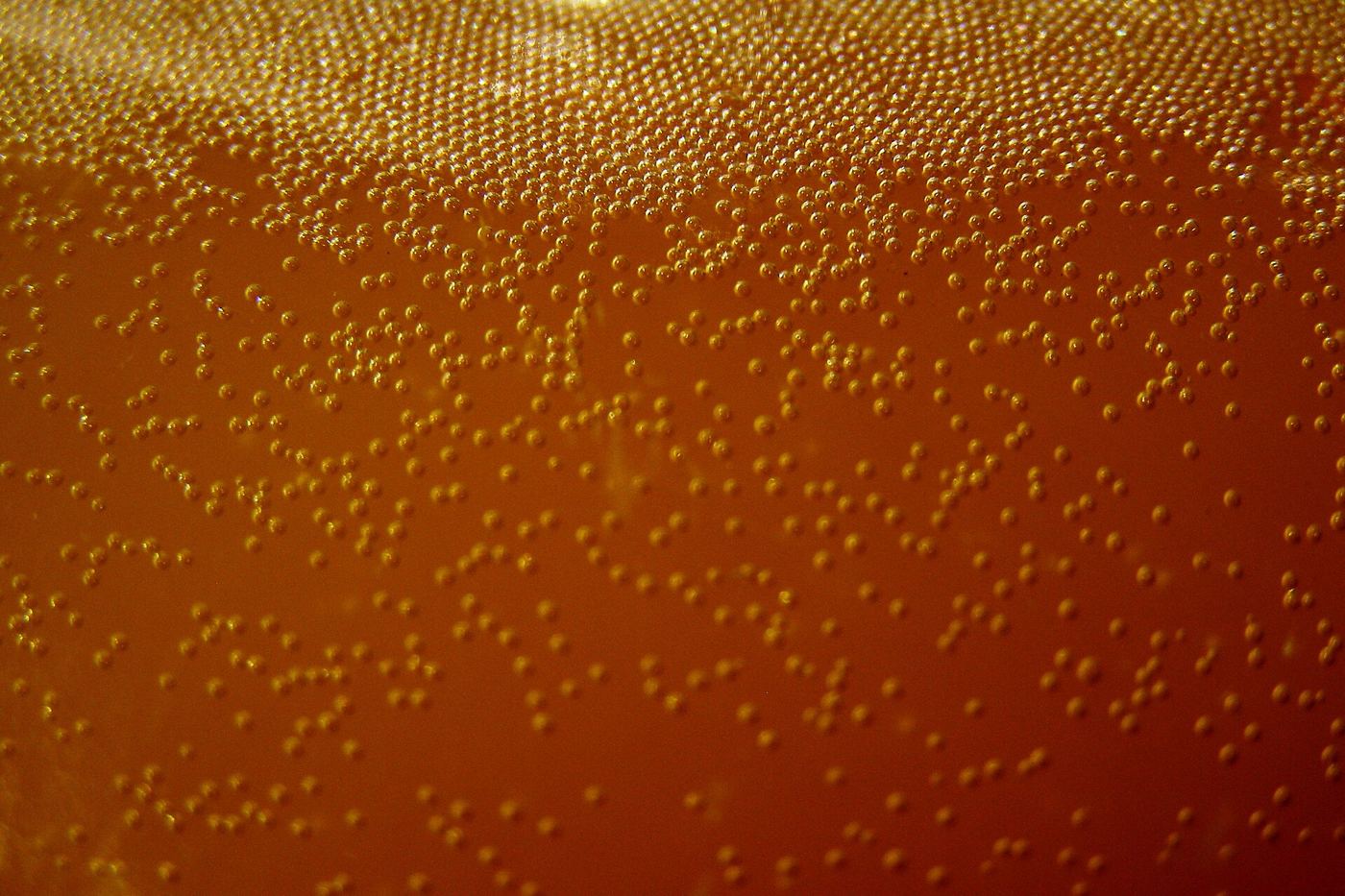
The oldest food technology in the world is having a very good decade. Sourdough starters with names and fan followings, jars of kimchi maturing in hall cupboards, kombucha mothers passed between friends like heirloom cuttings: fermentation has returned to the home kitchen, not as survival necessity but as hobby, flavour quest and quiet philosophy of food.
The revival has several parents. The pandemic gave millions of people time and a sudden interest in resilient skills. The gut-health conversation gave fermented foods a scientific halo, some of it earned, some of it borrowed. And chefs spent two decades demonstrating that fermentation is not preservation’s poor cousin but a flavour laboratory, producing acidity, umami and complexity that no shortcut replicates. We chart the movement in our food coverage, where the jar on the counter has become a fixture.
What the microbes actually do
At its heart the process is managed rot, in the most complimentary sense. Lactic acid bacteria convert sugars to acid, preserving the food and tanging it; yeasts produce gas and alcohol in breads and brews; moulds and mixed cultures do stranger, deeper work in miso and cheese. The home fermenter’s skill is environmental: temperature, salt and cleanliness set the conditions, and the culture does the cooking. It is the only common kitchen technique where the cook’s job is mostly to wait, watch and taste.
Safety, the friendly version
New fermenters always ask the same question, usually while peering into a jar: how do I know it is safe? The experienced answer is reassuringly procedural. Salt concentrations, acidity and cleanliness do the guarding, and a healthy ferment announces itself with a clean sour smell, while the rare failure announces itself unmistakably, mould in colours, putrid odours, and gets discarded without debate. The acid environment that defines these foods is precisely what makes them among the safest preparations in the home repertoire when basic rules are followed.
That forgiving safety profile is part of the revival’s appeal. Fermentation rewards patience and punishes very little, which is more than can be said for most hobbies involving knives, heat or sourdough’s more theatrical cousins.
Health claims, handled carefully
Fermented foods contain live cultures and the metabolites they produce, and diets rich in them are associated in research with markers of gut diversity and lower inflammation. The honest caveat is that a jar of kimchi is not a probiotic supplement with a defined strain and dose, and most commercial ferments are pasteurised back to sterility anyway. The strongest case for home fermentation remains the oldest one: it makes food delicious, keeps it longer, and wastes less of it.
In an era of ultra-processed sameness, a bubbling jar is also a small act of independence, proof that dinner can still be a living thing.
