

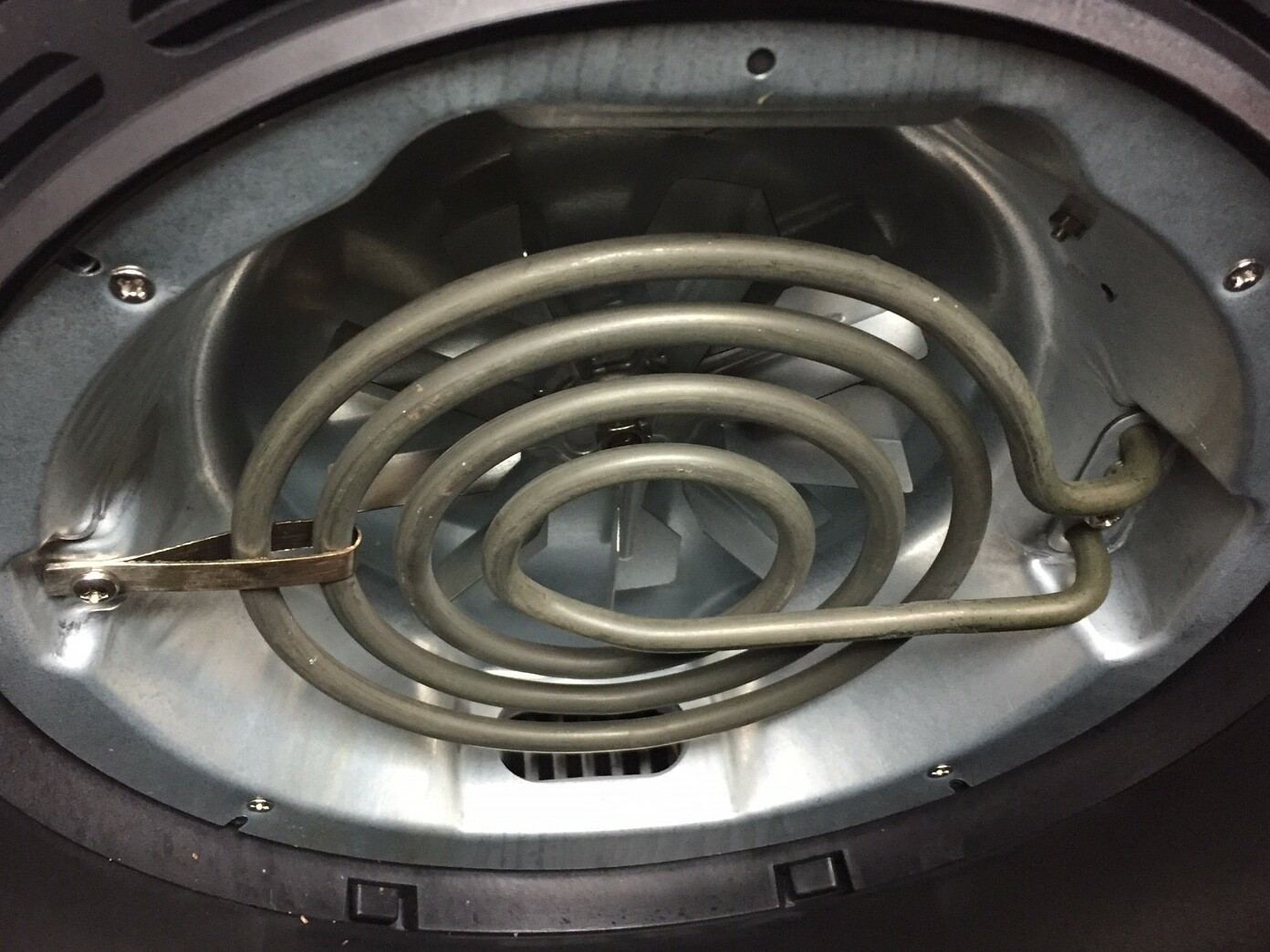
It is rare for a kitchen gadget to achieve true ubiquity, but the air fryer has done it, graduating from late-night infomercial curiosity to the appliance a generation reaches for daily. The pitch was always health: the crunch of frying with a spoonful of oil instead of a litre. With the devices now in tens of millions of homes, nutrition researchers have had time to examine whether the pitch survives scrutiny, and their answer is a qualified yes, with the qualification located exactly where you would expect: in what people choose to cook.
The core claim holds up well. Air frying is convection cooking at high speed, and studies comparing methods find dramatically lower fat absorption than deep frying for the same foods, alongside lower formation of some compounds associated with high-heat oil cooking. For a household replacing several deep-fried meals a week, the arithmetic is unambiguous. We review the evidence across kitchen trends in our health coverage, where the gadget is rarely the whole story.
The vegetable opportunity, missed and taken
The subtle effect researchers care about is behavioural. An appliance that makes vegetables genuinely appealing, crisp-edged broccoli, chickpeas, green beans, expands the home repertoire in a way a steamer never did, and households that use the basket for produce report eating more of it. Conversely, a machine devoted entirely to reheating frozen beige food improves the beige food only modestly. The Mayo Clinic‘s nutrition guidance makes the general point briskly: cooking method matters, but it matters downstream of ingredients.
A note on frozen food’s glow-up
The device’s most measurable dietary effect may be on frozen food. Manufacturers have reformulated entire product lines ‘air fryer ready’, adjusting coatings and cook times, and the freezer aisle now markets itself as a semi-cooking department rather than a confession. Dietitians are ambivalent in an instructive way: a crisped vegetable-based frozen product eaten at home probably does beat the takeaway it replaces, which describes a large share of actual air fryer usage.
Public health rarely advances through ideal meals; it advances through better defaults. A counter-top box that makes the easier choice also the lighter one is, whatever the purists say, a public-health instrument.
Heat, coatings and common sense
The remaining notes are practical. Very high temperatures on starchy foods can still form acrylamide, so golden is wiser than dark brown; non-stick baskets deserve the care their manufacturers specify; and the device’s speed can tempt cooks into skipping the oil entirely on foods that need a little for texture and fat-soluble nutrients alike.
The air fryer’s real achievement is not technological. It persuaded millions of people to cook at home more often, quickly and with less oil, and nutrition science has been trying to achieve exactly that, by less tasty means, for decades.
