

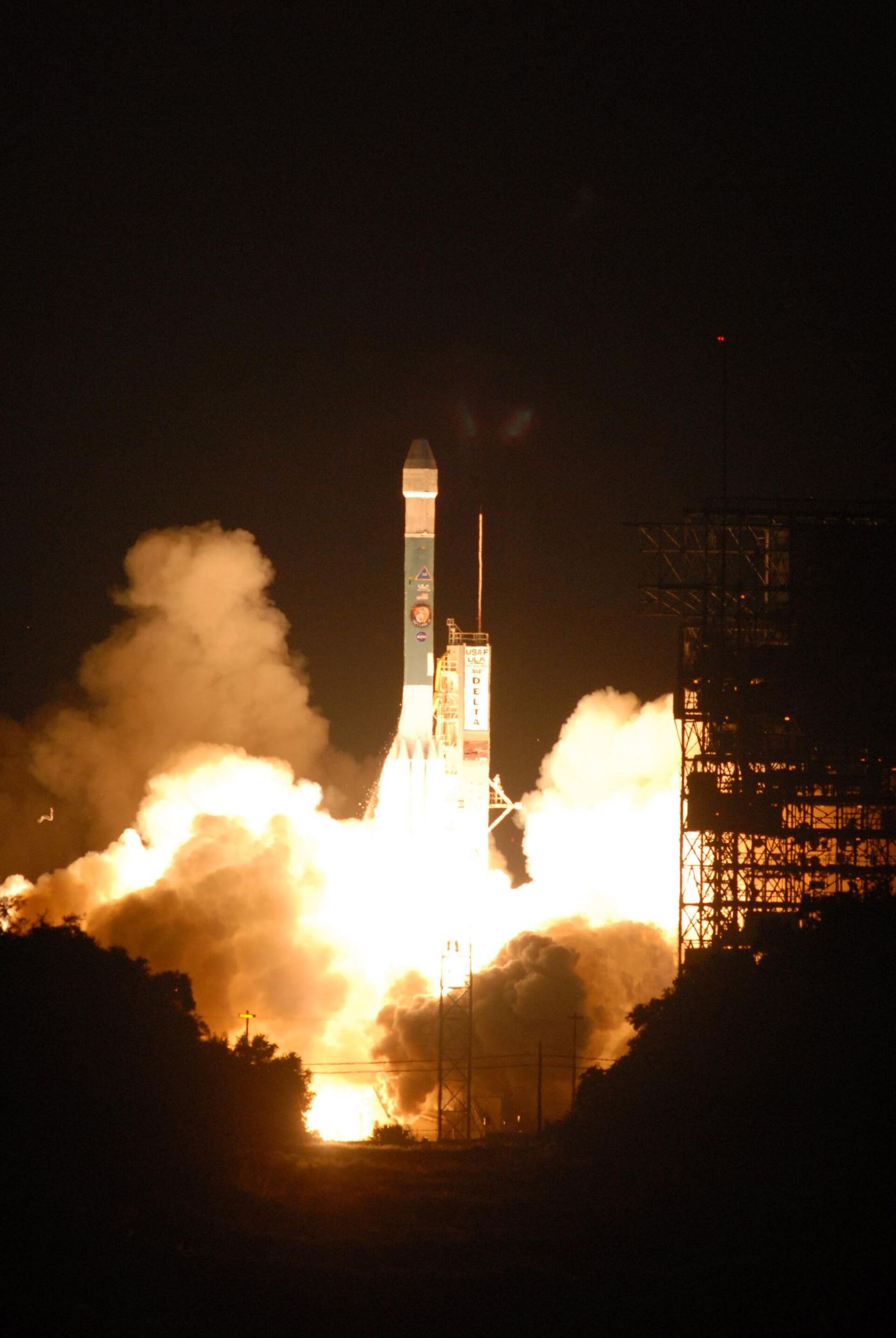
Pakistani astronaut Muhammad Zeeshan Ali became the first foreign astronaut to board China’s Tiangong space station on Wednesday, after the Shenzhou-24 spacecraft docked about three and a half hours after launch. The Long March-2F rocket lifted off at 8:18 a.m. local time from the Jiuquan Satellite Launch Centre in northwest China. Ali, a 40-year-old Pakistan Air Force pilot, is serving as a payload specialist and is expected to stay at the station for five to ten days, conducting scientific experiments. He is also the first Pakistani to travel into orbit. The crew was greeted with hugs by the three Shenzhou-23 members already aboard, who had prepared a cake to celebrate.
What the Evidence Shows
Ali flew alongside Chinese commander Tang Hongbo and flight engineer Wu Yi, and will return to Earth aboard the Shenzhou-23 spacecraft with two of the station’s current crew. The mission carries four biotechnology experiments developed by universities in Pakistan, according to Pakistan’s space agency. Prime Minister Shehbaz Sharif congratulated the nation, saying Pakistan had begun its journey beyond the stars. Ali said the real challenge of training was mastering the Chinese language, rather than centrifuge training. China’s space station, named Tiangong, meaning heavenly palace, has been fully operational since late 2022. The flight marks 75 years of diplomatic relations between China and Pakistan, and a milestone in Beijing’s efforts to extend its space diplomacy to partner nations. Reporting and analysis from sources such as Associated Press track the same developments, and specialists following the first foreign astronaut aboard Tiangong say the direction is now consistent across independent lines of evidence.
The Wider Context
Regional and local reporting on the first foreign astronaut aboard Tiangong often tells a different story from national coverage, because the effects land unevenly: one town’s pilot is another’s distant proposal. Analysts who follow the subject full-time read the local data first, arguing that national averages conceal the variation that decides whether a policy or a project deserves to spread.
What Happens Next
The longer story of the first foreign astronaut aboard Tiangong is still being written by the people closest to it, whose experience rarely matches the earliest predictions of either supporters or critics. Reporting will continue to follow the evidence as it accumulates, including where it complicates today’s account. That is the deal serious coverage makes with its readers, and it holds for this subject as for any other. You can follow related developments in our coverage of news.
It is also worth remembering how quickly the picture in this area has changed before. Positions that looked settled a few years ago have been revised as new data arrived, and the same humility is appropriate now. The strongest coverage of this subject, and the most useful advice, tends to come from sources that update their views openly when the facts move, rather than defending an earlier position long after it has stopped fitting the evidence available.
