

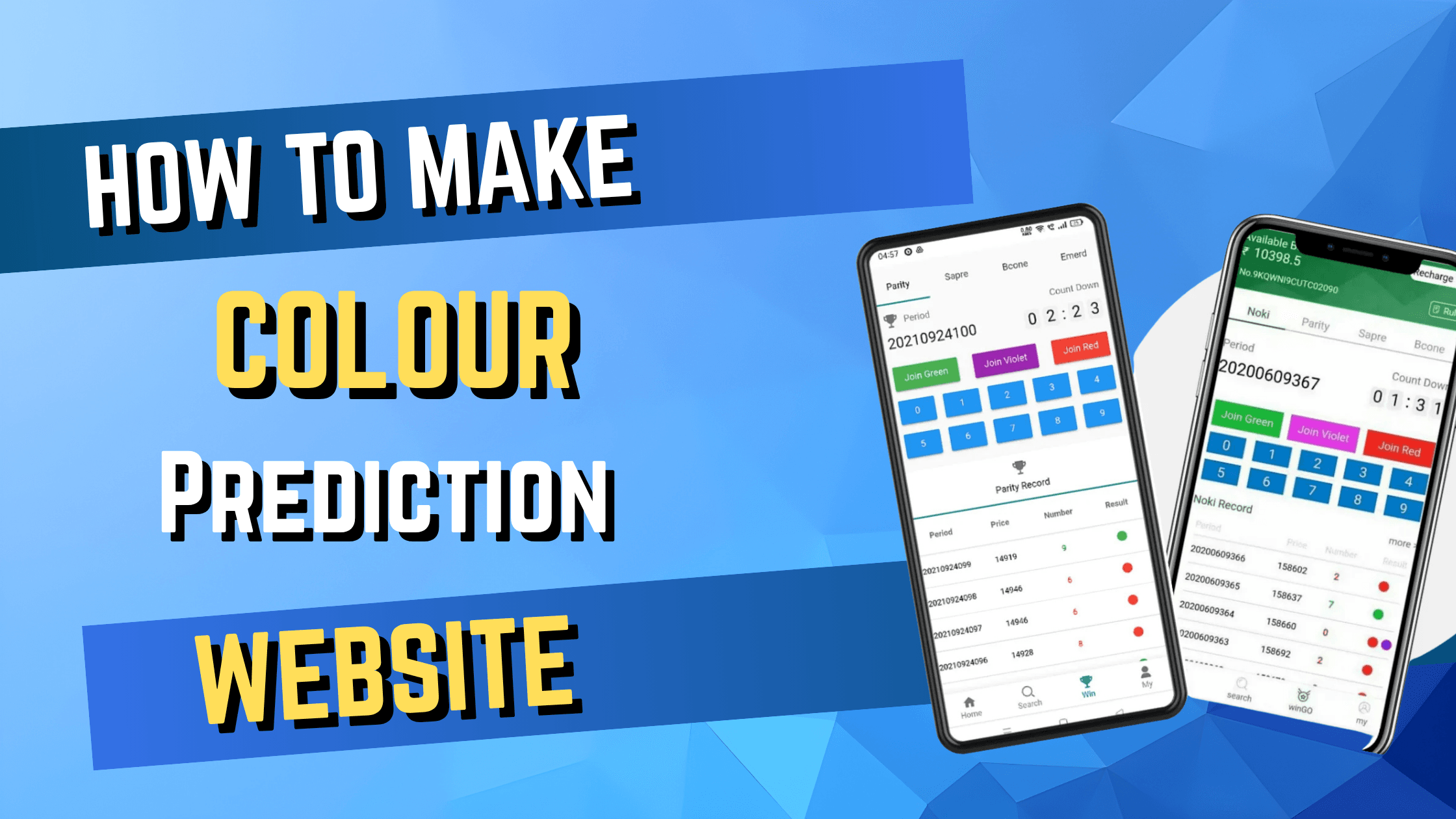
Online color prediction games have become increasingly popular in the mobile gaming landscape. Their appeal lies in simplicity, fast-paced rounds, and the thrill of chance-based outcomes. However, the success of these games depends heavily on how well they are optimized for mobile devices. Players expect smooth performance, intuitive interfaces, and reliable connectivity, but achieving this is not always straightforward. Mobile optimization presents unique challenges that developers must address to ensure a seamless and engaging experience.
User Interface Design
One of the primary challenges in mobile optimization is designing an interface that is both visually appealing and easy to navigate on small screens. Color prediction games rely on quick decisions, so the layout must allow players to select options without confusion or delay. Buttons that are too small or cluttered menus can frustrate users and lead to mistakes. Developers must balance aesthetics with functionality, ensuring that colors are displayed clearly and that the prediction process is intuitive. Responsive design principles are essential, but they must be adapted to the fast-paced nature of these games.
Performance and Responsiveness
Mobile devices vary widely in terms of processing power, memory, and screen resolution. Ensuring that color prediction games run smoothly across different devices is a significant challenge. Lag or delays in revealing results can diminish the excitement and trust players place in the game. Optimization requires efficient coding, lightweight graphics, and minimal resource consumption. Developers must also account for battery usage, as games that drain power quickly discourage prolonged play. Achieving consistent responsiveness across a diverse range of devices is one of the most demanding aspects of mobile optimization.
Network Connectivity
Color prediction games often rely on real-time updates, especially when multiple players participate simultaneously. Mobile networks, however, can be unstable, with fluctuations in speed and reliability. Poor connectivity can lead to delayed results, missed predictions, or even disconnections during gameplay. Developers must implement strategies such as data compression, error handling, and offline fallback mechanisms to mitigate these issues. Ensuring that the game remains functional even under weak network conditions is critical for maintaining user trust and satisfaction.
Security and Fairness
Mobile optimization is not limited to performance and design; it also involves ensuring security and fairness. Players expect that outcomes are generated fairly, often through random number generators. However, mobile platforms can be vulnerable to hacking, manipulation, or fraudulent activities. Developers must integrate secure algorithms and encryption methods to protect both the integrity of the game and the financial transactions that often accompany it. Balancing security with smooth performance is a delicate challenge, as overly complex security measures can slow down gameplay.
Cross-Platform Consistency
Many players switch between devices, expecting the same experience whether they are on a smartphone, tablet, or desktop. Achieving cross-platform consistency is difficult because mobile devices have unique limitations compared to larger screens. Developers must ensure that the game’s logic, design, and user flow remain consistent while adapting to the constraints of mobile hardware. Synchronization of accounts, credits, and progress across platforms like Daman Game Login adds another layer of complexity to optimization.
Psychological Engagement
Mobile optimization also involves maintaining psychological engagement. Color prediction games thrive on anticipation and instant gratification, but mobile interruptions such as notifications, calls, or background processes can disrupt the flow. Developers must design systems that minimize distractions and quickly re-engage players after interruptions. Smooth transitions, clear feedback, and immersive design elements are necessary to keep players emotionally invested despite the limitations of mobile environments.
Conclusion
Mobile optimization challenges in online color prediction games extend far beyond technical adjustments. They encompass user interface design, performance across diverse devices, network reliability, security, cross-platform consistency, and psychological engagement. Each challenge requires careful consideration to ensure that players enjoy a seamless, fair, and engaging experience. As mobile gaming continues to dominate the digital entertainment industry, addressing these optimization challenges will be crucial for the sustained success of color prediction games. Developers who overcome these hurdles not only enhance user satisfaction but also build trust and longevity in a highly competitive market.
