

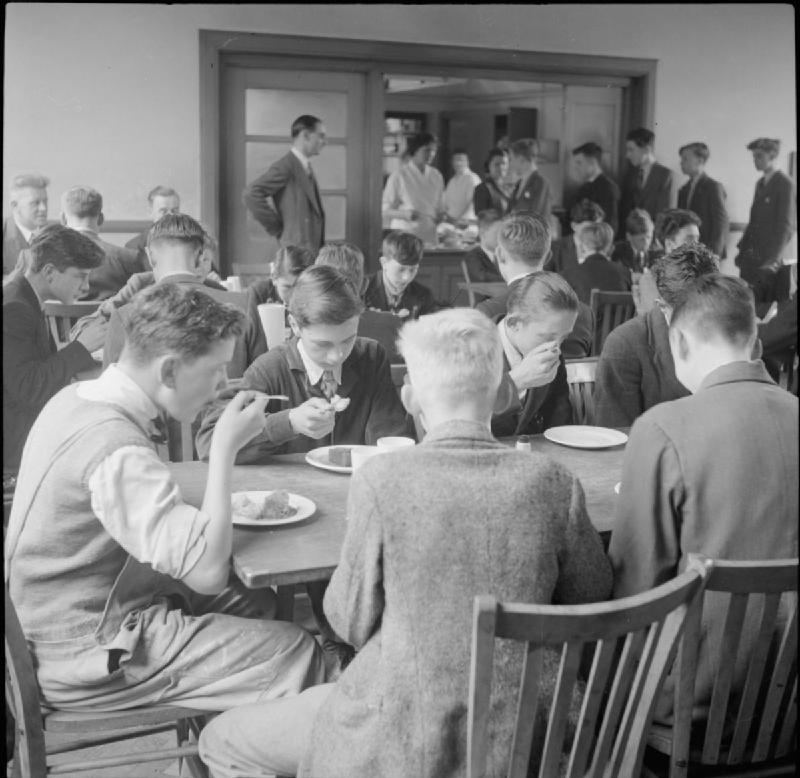
More children are now eating a free hot lunch at school, after eligibility rules were widened to cover families whose incomes had previously sat just above the old threshold. School leaders say the change has been noticeable in dining halls, where queues are longer and fewer children arrive with an empty lunchbox or no lunch at all. Teachers report that pupils who eat well at midday concentrate better in afternoon lessons and are less likely to feel tired or restless. Campaigners who pressed for the change say a school meal is one of the simplest ways to support a child’s health and learning, and that the cost to the public purse is modest compared with the difference it makes. Parents say the change has eased a weekly worry, removing the daily decision about what to pack and the expense of buying food for the lunchbox. Headteachers say the extra meals have also cut the stigma once attached to free lunches, since more children now eat together.
What the Evidence Shows
Running a school meals service for more children brings practical challenges for caterers, who must cook larger quantities while keeping meals varied, fresh and appealing to young tastes. Schools say they are working with suppliers to source ingredients locally and to offer menus that reflect the different cultures of their pupils. Nutritionists welcome the expansion but urge schools to keep standards high, with vegetables, whole grains and protein on every plate rather than filling food that leaves children hungry again by mid-afternoon. Some schools have also used the change to teach children about food, with tasting sessions and visits to local farms. For the children themselves, the meal is often the best part of the school day, a warm plate shared with friends in the middle of lessons. Cooks say the key is variety, with menus that change through the week so children look forward to lunch. Reporting and analysis from sources such as Associated Press track the same developments, and specialists following the widening free school meals say the direction is now consistent across independent lines of evidence.
The Wider Context
Regional and local reporting on the widening free school meals often tells a different story from national coverage, because the effects land unevenly: one town’s pilot is another’s distant proposal. Analysts who follow the subject full-time read the local data first, arguing that national averages conceal the variation that decides whether a policy or a project deserves to spread.
What Happens Next
The longer story of the widening free school meals is still being written by the people closest to it, whose experience rarely matches the earliest predictions of either supporters or critics. Reporting will continue to follow the evidence as it accumulates, including where it complicates today’s account. That is the deal serious coverage makes with its readers, and it holds for this subject as for any other. You can follow related developments in our coverage of news.
It is also worth remembering how quickly the picture in this area has changed before. Positions that looked settled a few years ago have been revised as new data arrived, and the same humility is appropriate now. The strongest coverage of this subject, and the most useful advice, tends to come from sources that update their views openly when the facts move, rather than defending an earlier position long after it has stopped fitting the evidence available.
