

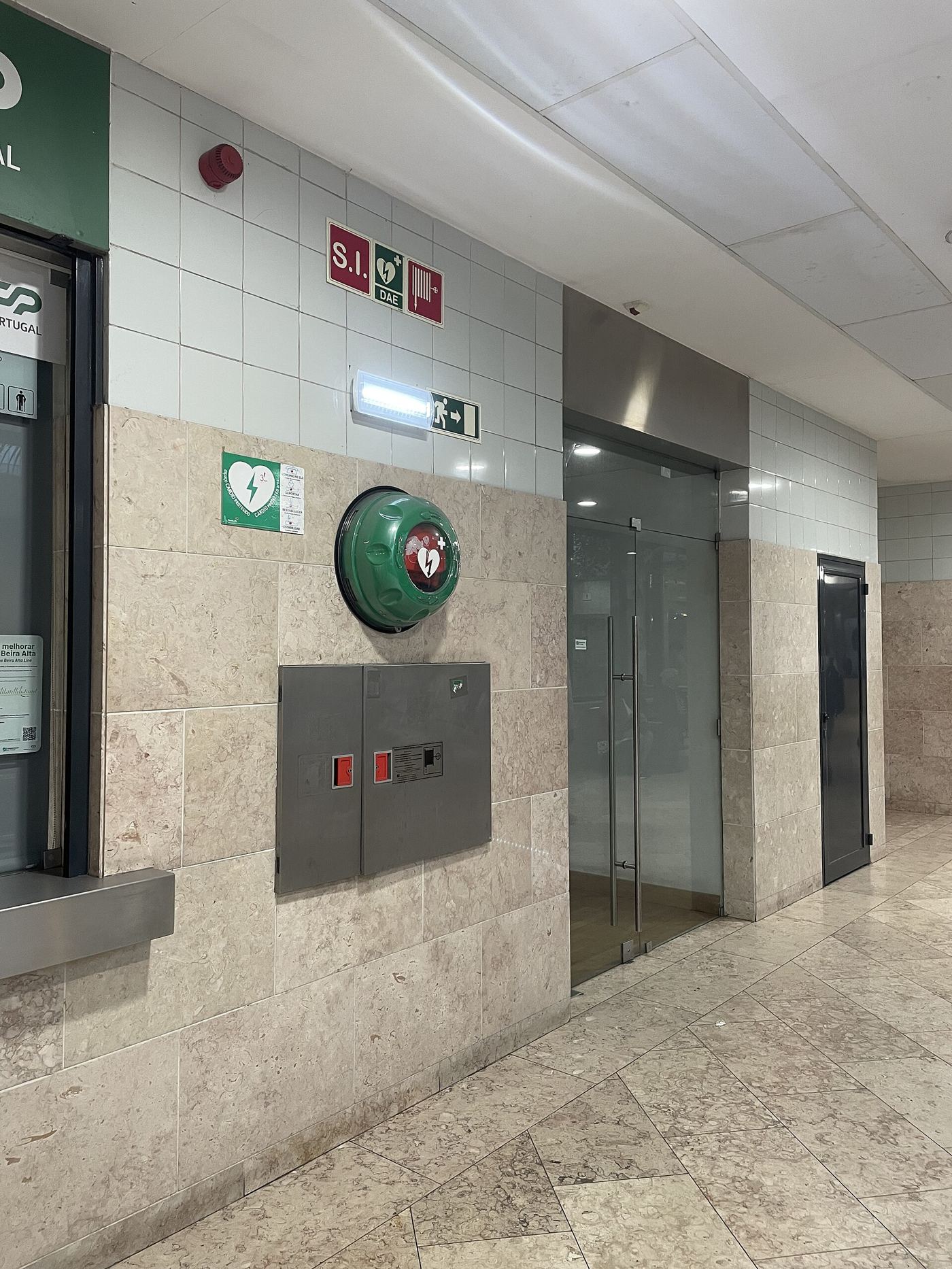
Bright yellow and green cabinets are appearing on village halls, shop fronts and sports club walls, each holding a defibrillator that could save a life when someone’s heart stops. Community groups have raised the money to buy the machines, with collections, raffles and donations from local businesses paying for the device and its cabinet. The machines are designed for anyone to use, with spoken instructions that guide the user step by step, and no medical training is needed. Paramedics say the first minutes after a cardiac arrest matter most, and that a shock from a defibrillator before the ambulance arrives can double or even triple the chance of survival. In villages where the ambulance may take twenty minutes or more to arrive, the cabinet on the wall can be the difference between life and death. Organisers say the response has been remarkable, with neighbours learning where their nearest machine is and volunteers checking the cabinets each week.
What the Evidence Shows
Health experts say the machines work best when people know they are there and are not afraid to use them. They urge communities to register each defibrillator with the ambulance service, so that call handlers can direct a caller to the nearest one in an emergency. Schools and sports clubs are also installing machines, since young athletes can suffer cardiac arrests too, and many now train staff and older pupils in their use. Charities that fund defibrillators say they are also working to keep the machines maintained, with batteries and pads replaced on schedule. Some areas have mapped every machine online, so that anyone can find the closest one in seconds. For the communities that raised the money, the cabinet is a source of pride, and a quiet promise that when a neighbour collapses, help is already on the wall. Reporting and analysis from sources such as Associated Press track the same developments, and specialists following the spread of public defibrillators say the direction is now consistent across independent lines of evidence.
The Wider Context
Regional and local reporting on the spread of public defibrillators often tells a different story from national coverage, because the effects land unevenly: one town’s pilot is another’s distant proposal. Analysts who follow the subject full-time read the local data first, arguing that national averages conceal the variation that decides whether a policy or a project deserves to spread.
What Happens Next
The longer story of the spread of public defibrillators is still being written by the people closest to it, whose experience rarely matches the earliest predictions of either supporters or critics. Reporting will continue to follow the evidence as it accumulates, including where it complicates today’s account. That is the deal serious coverage makes with its readers, and it holds for this subject as for any other. You can follow related developments in our coverage of news.
It is also worth remembering how quickly the picture in this area has changed before. Positions that looked settled a few years ago have been revised as new data arrived, and the same humility is appropriate now. The strongest coverage of this subject, and the most useful advice, tends to come from sources that update their views openly when the facts move, rather than defending an earlier position long after it has stopped fitting the evidence available.
