

The internet has made online shopping, digital banking, and electronic payments more convenient than ever. At the same time, cybercriminals continue to look for ways to steal payment information and use it for fraudulent purposes. Terms such as “carding,” “bclub,” and other names associated with underground online marketplaces can appear in cybersecurity discussions, creating concern for consumers and businesses alike.
The most important thing to understand is that you do not need to interact with suspicious websites to become a target. Payment information can be exposed through phishing, data breaches, malicious software, fake websites, compromised accounts, or other forms of online fraud. Learning how these scams work at a high level—and knowing how to protect yourself—can significantly reduce your risk.
This guide explains practical ways to stay safer from carding scams associated with bclub.tk and similar sites while avoiding the dangers of interacting with illegal online marketplaces.
What Is Carding?
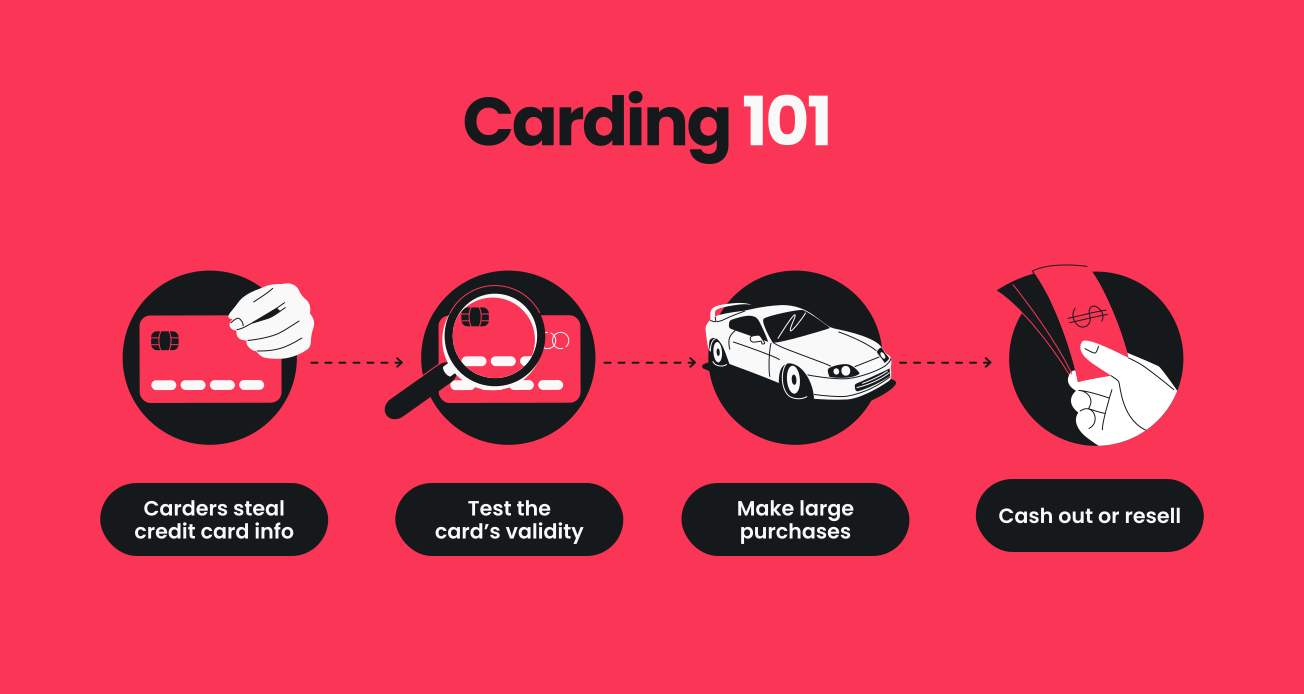
Carding generally refers to the fraudulent use of stolen payment-card information. Criminals may obtain financial information through sources such as phishing campaigns, hacked accounts, malware, fraudulent websites, or security breaches.
Once payment information has been compromised, criminals may attempt unauthorized transactions or use the information as part of broader fraud schemes.
Carding is illegal and can cause serious financial and personal consequences. Victims may experience unauthorized charges, account problems, identity theft, or lengthy processes to recover compromised accounts.
Understanding the concept is useful for prevention, but consumers should never attempt to purchase, test, trade, or otherwise interact with stolen payment information.
What Does Bclub Have to Do With Carding Scams?
The name Bclub has appeared in online discussions concerning cybercrime and underground marketplaces involving payment information. However, information about such services can be difficult to independently verify, and websites or services associated with cybercrime can change names, addresses, or disappear entirely.
For ordinary internet users, the specific identity or current status of an underground service is less important than understanding the risks surrounding stolen financial information.
Whether a scam is connected to Bclub, another suspicious website, or an unrelated criminal operation, the defensive steps are largely the same: protect your accounts, recognize phishing attempts, monitor financial activity, and avoid suspicious links and services.
1. Never Enter Card Details on Suspicious Websites
One of the simplest ways to reduce your risk is to be selective about where you enter payment information.
Before making an online purchase, check the website carefully. Be cautious if:
- The web address looks unusual or contains unexpected spelling changes.
- The website suddenly redirects you to another domain.
- A page asks for unnecessary financial or personal information.
- A deal appears unrealistically cheap.
- The site uses aggressive pop-ups or urgent messages.
- You received the link through an unexpected message or email.
A professional-looking website is not automatically trustworthy. Scammers can create convincing copies of legitimate shopping, banking, and payment pages.
When possible, navigate to a company’s official website yourself instead of clicking an unexpected payment link.
2. Learn to Recognize Phishing
Phishing is one of the most common ways criminals attempt to steal sensitive information.
A phishing message may pretend to come from a bank, delivery company, online store, payment provider, or another familiar organization. It might claim that your account has a problem and ask you to “verify” your information immediately.
Warning signs include:
- Unexpected requests for payment information.
- Messages creating extreme urgency.
- Suspicious attachments or links.
- Requests for passwords, security codes, or financial information.
- Poorly matched sender addresses.
- Offers or warnings that seem unusually dramatic.
Instead of responding through the message, contact the organization through a trusted method. For example, open its official application or manually type its known website address.
3. Use Strong, Unique Passwords
A stolen password can sometimes become a gateway to other accounts.
Avoid using the same password across your email, shopping, social-media, and financial accounts. If one service experiences a breach, reused passwords could put other accounts at risk.
Use long, unique passwords or passphrases for important accounts. A reputable password manager can also help generate and store unique passwords without requiring you to memorize every one.
Your email account deserves particular attention because it may be used to reset passwords for other services.
4. Turn On Multi-Factor Authentication
Multi-factor authentication, often called MFA or two-factor authentication, adds another layer of protection.
With MFA enabled, a password alone may not be enough to access an account. Depending on the service, the additional verification may involve an authenticator application, security key, or another approved method.
MFA cannot prevent every type of fraud, but it can make unauthorized account access more difficult.
Enable it on important accounts whenever the service provides a trustworthy MFA option.
5. Monitor Your Financial Accounts
Regularly checking your bank and payment accounts can help you notice suspicious activity sooner.
Look for:
- Transactions you do not recognize.
- Unexpected subscriptions.
- Small unfamiliar charges.
- Changes to account details.
- Notifications about purchases you did not make.
Do not assume that a small unfamiliar transaction is automatically harmless. If something looks suspicious, contact your bank or payment provider through its official customer-service channel.
The sooner unauthorized activity is reported, the sooner the provider can investigate and explain the appropriate next steps.
6. Keep Devices and Software Updated
Cybercriminals may attempt to take advantage of security weaknesses in outdated software.
Keep your operating system, browser, security software, and frequently used applications updated. Enable automatic updates where appropriate.
You should also be cautious about installing unknown applications, browser extensions, or files from untrusted sources. Unfamiliar software can create additional security risks.
7. Be Careful With Public and Shared Devices
Avoid entering sensitive financial information on computers or devices that you do not control, especially if you cannot verify their security.
Public or shared devices may have unknown software, saved login information, or other security weaknesses.
If you must use a shared device for an important account, take extra care to log out completely and avoid saving passwords or payment information.
8. Do Not Trust “Card Checking” or Free-Money Offers
Scammers sometimes use attractive offers to persuade people to provide financial information.
Messages promising free money, unusually large discounts, giveaways, or “verified” payment opportunities should be treated carefully—especially when they require card information or account credentials.
Legitimate businesses generally do not need your full payment credentials simply because you received a random promotional message.
If an offer sounds too good to be true, verify it independently before taking action.
9. Protect Your Personal Information
Payment-card fraud does not always begin with payment information. Personal information can also help criminals target victims.
Avoid publicly sharing unnecessary details such as your full address, account information, identification details, or other sensitive data.
Be cautious when answering unexpected questions online. A collection of seemingly harmless details can sometimes be used to make later scams appear more convincing.
10. Know What to Do If You Think Your Card Information Was Exposed
If you believe your payment information has been compromised, do not attempt to investigate suspicious marketplaces yourself.
Instead:
- Contact your bank or card provider through an official channel.
- Follow its instructions for securing the account or card.
- Review recent transactions carefully.
- Change passwords if you believe an account may also have been compromised.
- Enable MFA where available.
- Watch for additional suspicious activity.
- Report suspected fraud to the appropriate organization or authority in your country.
If a suspicious message or website caused the problem, avoid returning to it. Saving relevant evidence, such as the message or transaction notification, may help the legitimate service investigate the incident.
Why Avoiding Underground Carding Sites Matters
People may encounter discussions about underground marketplaces while browsing online forums or social platforms. Curiosity can sometimes lead people toward unsafe websites or fraudulent services.
Interacting with criminal marketplaces can expose users to additional risks, including phishing, malware, financial scams, stolen information, and legal consequences. A website claiming to sell stolen payment information may itself be designed to steal information from visitors.
The safest approach is not to interact with such services at all. If your goal is cybersecurity education, use legitimate security-training resources, reputable research, and defensive security communities instead.
Businesses Also Have a Role in Preventing Carding Fraud
Consumers are not the only ones responsible for payment security. Businesses that accept online payments should use appropriate security controls and regularly review their systems.
Organizations can reduce risk through measures such as secure payment processing, access controls, employee security training, monitoring for suspicious transactions, software updates, and appropriate data-protection practices.
Businesses should also minimize the amount of sensitive customer information they retain. Reducing unnecessary data storage can reduce the potential impact of a security incident.
Final Thoughts
Carding scams connected to Bclub and similar names are part of a broader problem involving stolen payment information and online financial fraud. You do not need to know every underground website or criminal operation to protect yourself.
The most effective approach is straightforward: avoid suspicious websites, recognize phishing attempts, use strong unique passwords, enable multi-factor authentication, keep devices updated, protect personal information, and regularly monitor financial accounts.
Most importantly, never attempt to buy, sell, test, or use stolen payment-card information. If you believe your information has been compromised, work directly with your bank, payment provider, and other legitimate organizations.
Online security is not about being completely immune to every threat. It is about developing safer habits, recognizing warning signs, and responding quickly when something appears wrong.
