

Something shifted on Polish beaches this July. Look down any stretch of sand from Kołobrzeg to Sopot and the paperback thriller that used to poke out of every beach bag has quietly given way to a phone screen, thumb tapping away at a puzzle or a match-three game between swims.
This isn’t just a passing curiosity – it says something about how people manage their attention, and even their bodies, during downtime. Summer holidays are traditionally when Poles pay closer attention to how they look and feel, and that self-awareness increasingly overlaps with digital habits. Sites focused on healthy weight management, like slimking, have noticed the same seasonal spike in interest that gaming apps report, as people use the slower pace of vacation to reset routines around food, movement, and screen time all at once. The beach, it turns out, is where several personal habits collide.
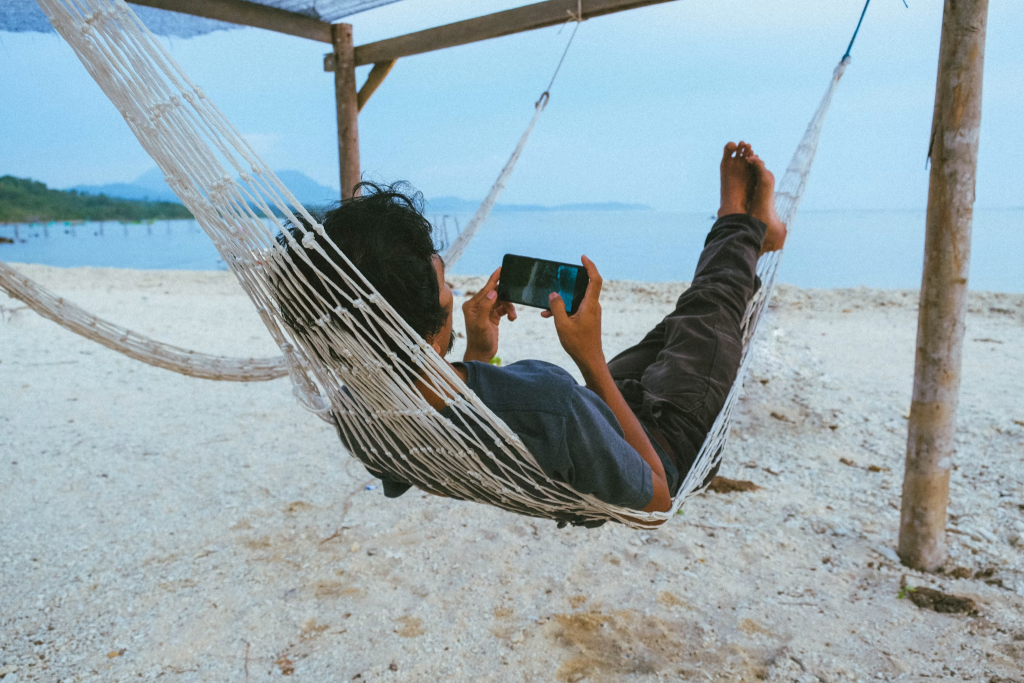
Why a Five-Minute Game Beat a Three-Hundred-Page Novel
Reading a novel demands a block of uninterrupted time – something increasingly rare even on holiday, with children needing snacks, phones buzzing, and the sun forcing frequent relocations of the towel. A casual game asks for none of that.
Match-three puzzles, idle simulators, and simple word games are built around sessions lasting ninety seconds to five minutes. That fits the actual rhythm of a beach day far better than fiction does. A parent can finish a level while a child builds a sandcastle, then set the phone down without losing a plot thread.
The Habit Loop Behind the Switch
Game designers lean hard on variable rewards – small wins that arrive just often enough to keep a thumb moving. Books offer a slower, deferred payoff; a game offers one every thirty seconds. On a beach, where attention is already fragmented, the faster feedback loop simply wins more often.
Battery Life and Connectivity Concerns
Poland’s mobile networks have improved dramatically along the coastline, but battery anxiety remains real. Curiously, this hasn’t slowed gaming down. Power banks have become as standard a beach item as sunscreen, treated less like an accessory and more like a necessity for anyone planning to game through the afternoon.
What the Numbers Suggest
Local app store data and informal surveys conducted by Polish media outlets this summer point to a consistent pattern.
| Activity | Summer 2023 | Summer 2026 |
| Reading a physical book on holiday | 41% | 22% |
| Playing mobile games daily | 33% | 58% |
| Reading e-books on a phone/tablet | 19% | 17% |
| No leisure screen use | 12% | 6% |
The e-book figure staying roughly flat is telling – it isn’t that Poles stopped reading digitally, it’s that casual games specifically cannibalized print reading, not digital reading as a whole.
The Health and Wellness Angle Nobody Predicted
There’s a less obvious thread running through this shift. Vacation has long been the moment when Polish adults reassess diet, exercise, and general wellbeing, freed from the rigid schedules of the working year. Gaming apps have started nudging into that space too, with step-tracking mini-games and hydration reminders bundled into otherwise unrelated puzzle titles.
Nutritionists interviewed by regional press this season noted an unexpected side effect: people distracted by short game sessions tend to snack more mindlessly than those absorbed in a book, since a five-minute game doesn’t occupy the hands the way turning pages does. That’s prompted some holidaymakers to pair their gaming habit with more deliberate meal planning, precisely the kind of structured approach that weight-conscious travelers were already seeking out before they ever opened a game app.
Generational Differences Worth Noting
Not every age group made the switch equally.
A Quick Breakdown by Age Group
- Poles under 30 largely abandoned print fiction on holiday years ago; this summer simply cemented mobile gaming as their default idle activity.
- The 35-50 bracket shows the sharpest year-over-year change, arguably the group most attached to the “beach read” tradition until now.
- Retirees remain the most likely to still pack a physical book, though even here, simple card and puzzle games have made inroads.
Is This a Loss or Just a Change in Format
It’s tempting to frame this as literary culture losing ground to distraction, but that framing undersells what’s actually happening. Many of the same people gaming on the beach still read – just at night, back in the hotel room, on an e-reader instead of during the two hours when sand, glare, and children make sustained focus nearly impossible.
The beach read hasn’t disappeared so much as migrated to a different part of the day, while the beach itself has been claimed by an activity better suited to its chaos. Whether that’s a cultural downgrade or simply Poles being pragmatic about when and how they consume entertainment depends entirely on who you ask – but the data on phones outnumbering paperbacks this summer isn’t really up for debate anymore.
