

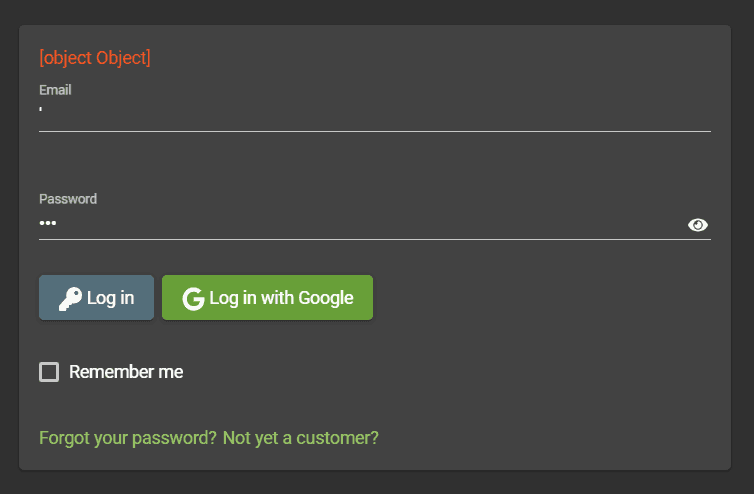
In the shadowy corners of the internet, the name StashPatrick surfaces with an air of notoriety, often whispered in forums and encrypted channels related to cybercrime. Specifically, searches for “Stash Patrick CC shop login” point to a desire to access a platform allegedly involved in the trafficking of stolen credit card data. This article aims not to facilitate such access, but to dissect the phenomenon, understand the severe risks involved, and underscore the critical importance of cybersecurity.
Understanding the “CC Shop” Ecosystem
First, it’s crucial to decode the terminology. A “CC shop” is a black-market website, typically hosted on the dark web, where criminals buy and sell stolen payment card information (often called “dumps” or “CVV2”). These portals operate like illicit e-commerce sites, complete with customer reviews, shopping carts, and customer support.
Who or What is StashPatrick?
“StashPatrick” appears to be a brand or alias associated with one of these underground carding shops. The name itself is likely a moniker used to market the service to potential buyers. These entities constantly evolve—changing domains, names, and login portals to evade law enforcement takedowns. Therefore, a search for a “StashPatrick login” is a chase for a moving, and deliberately obfuscated, target.
The Extreme Perils of the Login Quest
For anyone tempted to seek out this login, the dangers are immense and multifaceted:
- A Legal Minefield: Simply attempting to access such a shop is a criminal offense in most jurisdictions. Law enforcement agencies like the FBI, Secret Service, and Europol actively monitor these sites, harvesting IP addresses and user data to build cases. You could face charges for conspiracy, computer fraud, and intent to commit fraud.
- The Ultimate Scam: Scammers Scamming Scammers. The cybercrime underground is built on layers of deception. The very site you’re trying to log into could be:
- A Honeypot: A trap set by law enforcement to collect identities.
- An Exit Scam: The operators take all user funds and disappear overnight, a common finale.
- A Malware Distribution Point: The login page itself could contain code that infects your device with keyloggers or ransomware, turning you from a buyer into a victim.
- Financial Catastrophe: Beyond legal fees, users often deposit cryptocurrency to “fund” their shop accounts, only to have it stolen. There is zero recourse for theft in an illegal marketplace.
- Personal Security Risk: These communities are rife with paranoia. Sharing any information or crossing another user can lead to doxxing (having your private information published) or targeted attacks.
The Cybersecurity Lessons from StashPatrick
Instead of focusing on the login, we should view StashPatrick as a stark reminder of digital threats:
- Guard Your Card Data Vigilantly: Use strong, unique passwords for financial sites. Enable multi-factor authentication (MFA) everywhere possible. Regularly monitor your bank and card statements for unauthorized transactions.
- Recognize the Signs of a Compromised Card: Small, strange “test” transactions, alerts for purchases in locations you’ve never visited, or sudden card declines are red flags.
- The Dark Web is Not for the Curious: Browsing these areas without expert-level operational security (Tor, VPNs, VM isolation) is extraordinarily risky. The curiosity is not worth the potential life-altering consequences.
Conclusion: The Login That Leads Nowhere Good
The search for the StashPatrick CC shop login is a pursuit of a digital phantom that promises only ruin. It represents a gateway not to profit, but to a high-risk environment designed to exploit and ensnare. The true takeaway is a reinforced understanding that in the digital age, our financial data is a prime target.
Protect yours fiercely, report any suspected fraud immediately to your bank, and steer clear of the seductive but destructive allure of dark web marketplaces. The only winning move in the game of carding is not to play. Let StashPatrick serve as a cautionary tale, not a destination.
