

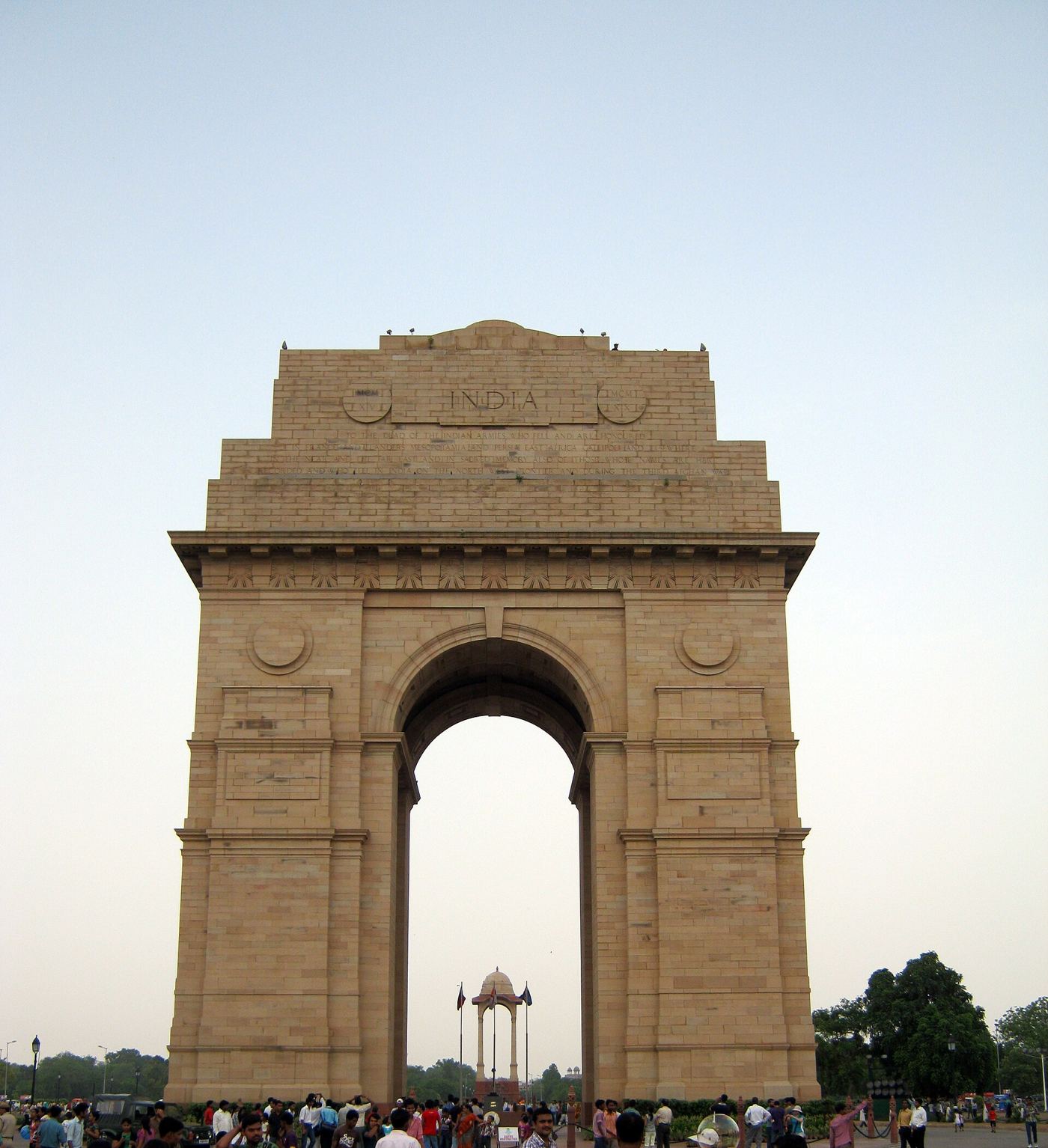
Nepal’s Prime Minister, Balendra Shah, arrived in New Delhi on Sunday 22 November 2026 for his first official visit to India since taking office. Shah was scheduled to meet Prime Minister Narendra Modi on Monday, with energy cooperation, trade, connectivity and infrastructure among the principal subjects on the agenda. The visit comes at a sensitive moment in relations between the two neighbours, which share an open border, deep cultural ties and a history of disputes over territory, water and trade. For Nepal, closer energy and trade links with India are central to its development plans, while New Delhi watches its northern neighbour’s relations with China closely.
What the Evidence Shows
India and Nepal have worked to rebuild trust after years of friction, including a bitter border dispute and a blockade in 2015 that left Nepalese households short of fuel and medicine. Energy is now the most promising area of cooperation, with Nepal’s vast hydroelectric potential able to supply power to Indian states, and India financing transmission lines and cross-border projects. Trade and transport links are also on the agenda, since Nepal, a landlocked country, depends on Indian ports for most of its imports. The visit is Shah’s first chance to set the tone of the relationship in person, and both sides will be judged on whether the warm words produce signed agreements. Reporting and analysis from sources such as Associated Press track the same developments, and specialists following Nepal’s prime minister visiting India say the direction is now consistent across independent lines of evidence.
The Wider Context
Regional and local reporting on Nepal’s prime minister visiting India often tells a different story from national coverage, because the effects land unevenly: one town’s pilot is another’s distant proposal. Analysts who follow the subject full-time read the local data first, arguing that national averages conceal the variation that decides whether a policy or a project deserves to spread.
What Happens Next
The longer story of Nepal’s prime minister visiting India is still being written by the people closest to it, whose experience rarely matches the earliest predictions of either supporters or critics. Reporting will continue to follow the evidence as it accumulates, including where it complicates today’s account. That is the deal serious coverage makes with its readers, and it holds for this subject as for any other. You can follow related developments in our coverage of news.
It is also worth remembering how quickly the picture in this area has changed before. Positions that looked settled a few years ago have been revised as new data arrived, and the same humility is appropriate now. The strongest coverage of this subject, and the most useful advice, tends to come from sources that update their views openly when the facts move, rather than defending an earlier position long after it has stopped fitting the evidence available.
