

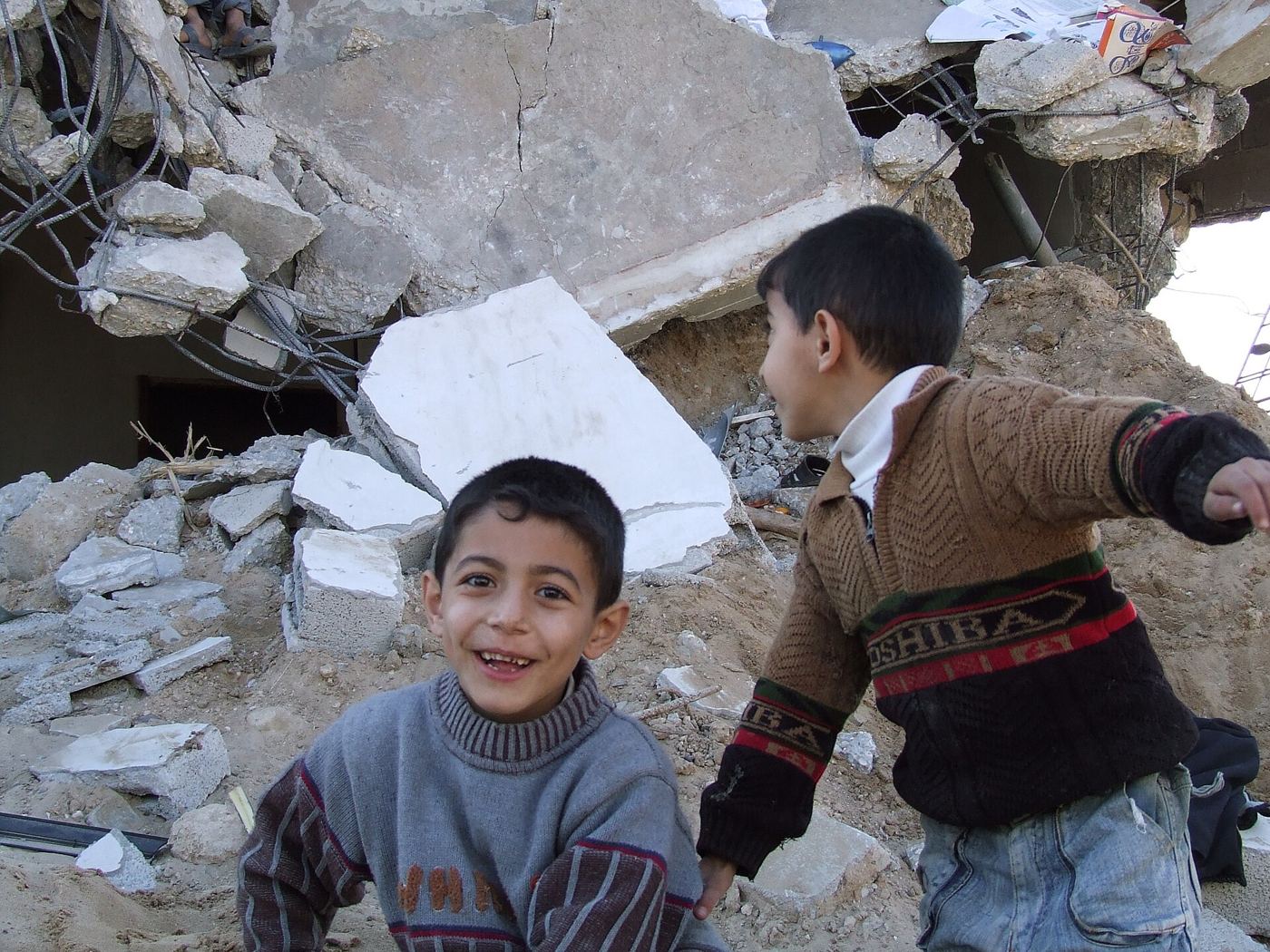
A ceasefire in Gaza took effect on 10 October 2025, pausing two years of war between Israel and Hamas. The deal followed a 20-point plan put forward by US President Donald Trump on 29 September 2025 and agreed by both sides after days of talks in Egypt. Under its first phase, Hamas released the 20 living Israeli hostages on 13 October 2025, and Israel freed about 2,000 Palestinian prisoners and detainees. Israeli forces withdrew to agreed lines inside Gaza, and large amounts of humanitarian aid began entering the territory. The agreement also set out a plan for Gaza to be governed by a transitional administration of Palestinian technocrats, overseen by an international body chaired by Trump, with an international stabilisation force to provide security.
What the Evidence Shows
The ceasefire brought relief to a population that had endured two years of bombardment, displacement and severe shortages of food, water and medicine, with the United Nations estimating that most of Gaza’s buildings had been damaged or destroyed. But the hardest questions were left for later phases: the disarmament of Hamas, the full withdrawal of Israeli forces, and who would govern Gaza permanently. Both sides accused each other of violations in the weeks that followed, and the fate of the remaining hostages’ bodies remained unresolved for months. Mediators from Egypt, Qatar and Turkiye continued to press both sides to move to the second phase. For families on both sides, the ceasefire’s first achievement was simple and profound: the return of the living hostages and the first quiet nights in two years. Reporting and analysis from sources such as Associated Press track the same developments, and specialists following the Gaza ceasefire of October 2025 say the direction is now consistent across independent lines of evidence.
The Wider Context
Regional and local reporting on the Gaza ceasefire of October 2025 often tells a different story from national coverage, because the effects land unevenly: one town’s pilot is another’s distant proposal. Analysts who follow the subject full-time read the local data first, arguing that national averages conceal the variation that decides whether a policy or a project deserves to spread.
What Happens Next
The longer story of the Gaza ceasefire of October 2025 is still being written by the people closest to it, whose experience rarely matches the earliest predictions of either supporters or critics. Reporting will continue to follow the evidence as it accumulates, including where it complicates today’s account. That is the deal serious coverage makes with its readers, and it holds for this subject as for any other. You can follow related developments in our coverage of news.
It is also worth remembering how quickly the picture in this area has changed before. Positions that looked settled a few years ago have been revised as new data arrived, and the same humility is appropriate now. The strongest coverage of this subject, and the most useful advice, tends to come from sources that update their views openly when the facts move, rather than defending an earlier position long after it has stopped fitting the evidence available.
