

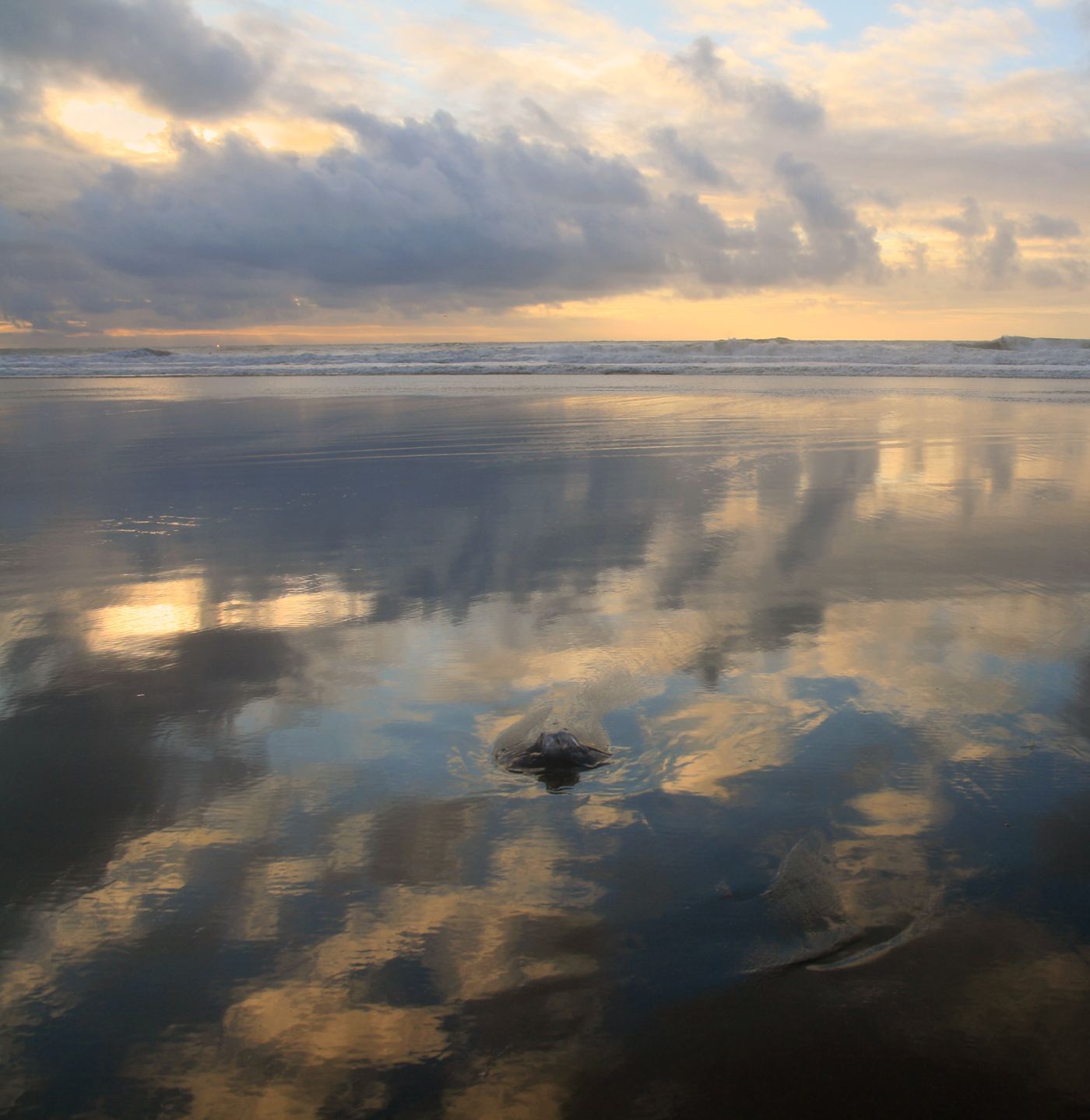
Twice a day along most coasts, the sea creeps up the beach and then draws back again, in a rhythm as regular as breathing. These are the tides, and their main cause is the Moon. The Moon’s gravity pulls the ocean towards it, raising a bulge of water on the side of the Earth facing the Moon, and a second bulge forms on the opposite side as the Earth is pulled slightly away from the water there. As the planet turns beneath these bulges, each coastline passes through high water and low water in turn. The Sun adds its own smaller pull, and when Sun, Moon and Earth line up at new and full Moon, the two pulls combine to make the highest spring tides, while at quarter Moon they partly cancel and the tides are at their smallest, the neap tides.
What the Evidence Shows
Tides shape the life of the coast in countless ways. Rock pools left behind by the ebbing tide become temporary worlds of crabs, anemones and small fish, while mudflats exposed at low water feed flocks of wading birds. People have learned to live by the tide tables, timing fishing trips, harbour work and beach walks to the rise and fall of the water, and engineers are now harvesting its power with turbines that spin as the tide rushes in and out. The shape of a bay, the depth of the sea and the pull of the wind all change the local tide, so some places see barely a metre of difference while others, like the Bay of Fundy in Canada, see the water rise and fall by more than fifteen metres in a single day. For sailors and shore dwellers alike, the tide is the sea’s oldest clock. Reporting and analysis from sources such as NASA track the same developments, and specialists following the ocean tides rising and falling with the moon say the direction is now consistent across independent lines of evidence.
The Wider Context
Funding bodies are watching the ocean tides rising and falling with the moon closely because the work sits at the junction of basic curiosity and practical return. Grant panels increasingly ask for a path from discovery to application, while researchers push back that the most valuable uses of fundamental science are rarely the ones written into the original proposal. The tension is productive when both sides stay honest about timescales.
What Happens Next
The long view on the ocean tides rising and falling with the moon is that fields advance by accumulation rather than by single announcements. This result adds a solid, checkable piece to a structure many teams are building, and its authors have shared their data so the piece can be tested from every side. That is how the picture eventually becomes reliable enough to act on. You can follow related developments in our coverage of science.
It is also worth remembering how quickly the picture in this area has changed before. Positions that looked settled a few years ago have been revised as new data arrived, and the same humility is appropriate now. The strongest coverage of this subject, and the most useful advice, tends to come from sources that update their views openly when the facts move, rather than defending an earlier position long after it has stopped fitting the evidence available.
