

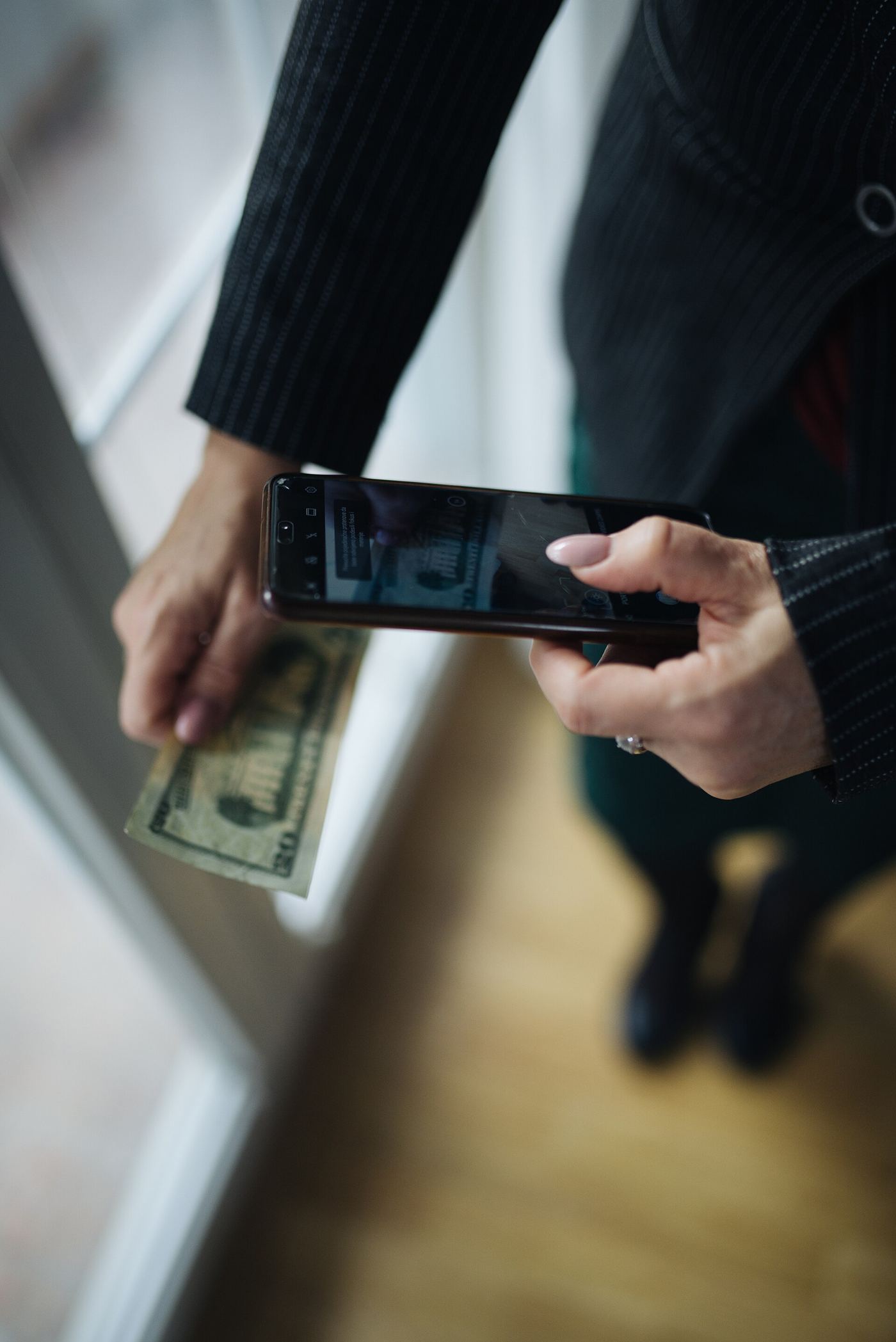
Mobile cryptocurrency wallets are adding simpler recovery options as developers try to solve one of the oldest problems in digital money: losing access to your funds when a device is lost or a password is forgotten. Unlike a bank account, a self-custody wallet has no customer service desk to reset access, and a single lost recovery phrase can mean savings are gone for good. Surveys regularly show that fear of losing access is one of the main reasons newcomers hesitate to hold crypto themselves. In response, wallet makers are introducing social recovery, where trusted contacts can help restore access, as well as cloud-encrypted backups and biometric locks. The goal is to keep the core principle of user control while removing the single point of failure that has cost holders billions over the years. If these tools work as promised, they could make self-custody practical for people who never want to think about seed phrases at all.
What the Evidence Shows
The new recovery systems work in different ways, and each involves its own trade-offs. Social recovery lets users name guardians, such as family members or friends, who can approve a reset together, though it requires trusting those people not to collude. Encrypted cloud backups store a protected copy of the wallet key, which is convenient but depends on the security of the cloud account. Some wallets now split the key into pieces stored in separate places, so no single loss or theft can compromise the whole wallet. Security researchers welcome the progress but warn that every added convenience creates a new target for attackers, and they urge users to understand exactly what they are enabling. Wallet companies say they are pairing recovery features with clear warnings and optional settings, so experienced users can keep the strictest setup. Adoption is still early, and the real test will come when large numbers of ordinary users rely on these tools in everyday life. Reporting and analysis from sources such as European Central Bank track the same developments, and specialists following mobile wallet recovery tools say the direction is now consistent across independent lines of evidence.
The Wider Context
The wider context is a sector being absorbed, piece by piece, into the regulated financial mainstream. Work on mobile wallet recovery tools now happens under licensing regimes, audit expectations and consumer-protection rules that would have been unrecognisable a few years ago. Long-standing participants are divided between relief at the legitimacy and regret for the experiment’s wilder freedoms.
What Happens Next
What happens next for mobile wallet recovery tools will be shaped by the interaction of regulation, market appetite and the sector’s own capacity for self-inflicted wounds. The infrastructure is more professional than it was, the rules are clearer, and the remaining question is whether growth can stay boring. Participants with the longest memories say boring would be the real milestone. You can follow related developments in our coverage of crypto.
None of this will be settled by a single announcement, study or product launch. The pattern to watch is accumulation: independent confirmations, honest reporting of failures and steady improvement in the underlying numbers. Readers who follow those signals, rather than the loudest claim of the week, will understand this subject better than most of the commentary surrounding it suggests is possible.
