

Christmas Day has always come with expectations. The table should be full. The food should be perfect. And the host should somehow make all of this happen while still feeling festive.
In reality, Christmas Day hosting often means spending more time managing the kitchen than sitting at the table. Conversations are overheard from another room. Plates are cleared while laughter continues without you. By the time everyone eats, the person who planned the whole thing is already tired.
That experience is quietly changing. Not because traditions are disappearing, but because hosts are rethinking what the day is actually meant to feel like.
Let’s see how that is happening!
Christmas Day Food Carries More Pressure Than Any Other Meal
Unlike casual dinner parties, Christmas Day food is loaded with memory. Everyone remembers how it used to taste, how it looked, and who used to make it. That emotional weight turns even simple dishes into high-stakes decisions.
There’s also no flexibility in timing. People arrive hungry. Kids ask when food will be ready. Family members hover with well-meaning questions that somehow slow everything down. Even great Christmas party food ideas can fall apart when everything needs attention at the same time.
The pressure isn’t about cooking skill. It’s about coordination.
Why Traditional Hosting No Longer Fits Modern Households
Many Christmas hosting traditions were built around large households and shared responsibilities. Today, that structure often doesn’t exist.
Hosts may be juggling travel, work schedules, children, and multiple family expectations. Kitchens are smaller. Guest lists are more mixed. Dietary preferences are broader. And the assumption that one person should manage the entire day simply doesn’t hold up anymore.
What used to feel communal can now feel isolating, especially when the host spends most of the day managing logistics instead of enjoying the gathering.
The Shift Toward Experience-Led Hosting
More hosts are quietly redefining success. Instead of measuring the day by how much food was served, they’re paying attention to how the day flows.
Did everyone sit down together?
Did the host actually finish their meal while it was warm?
Did the day feel calm instead of rushed?
This shift toward experience-led hosting has changed how people approach planning. Menus are simpler. Food timing is staggered. And there’s less pressure to do everything personally.
Where Food Planning Changes Everything
Most Christmas stress comes from overloading the menu and underestimating execution. Dishes that require last-minute attention, precise timing, or constant supervision pull hosts out of the moment.
Smarter planning focuses on food that holds well, serves easily, and supports conversation instead of interrupting it. That’s where modern Christmas party food ideas have evolved. They’re less about showing range and more about maintaining rhythm throughout the day.
When food supports the experience, hosting stops feeling like a performance.
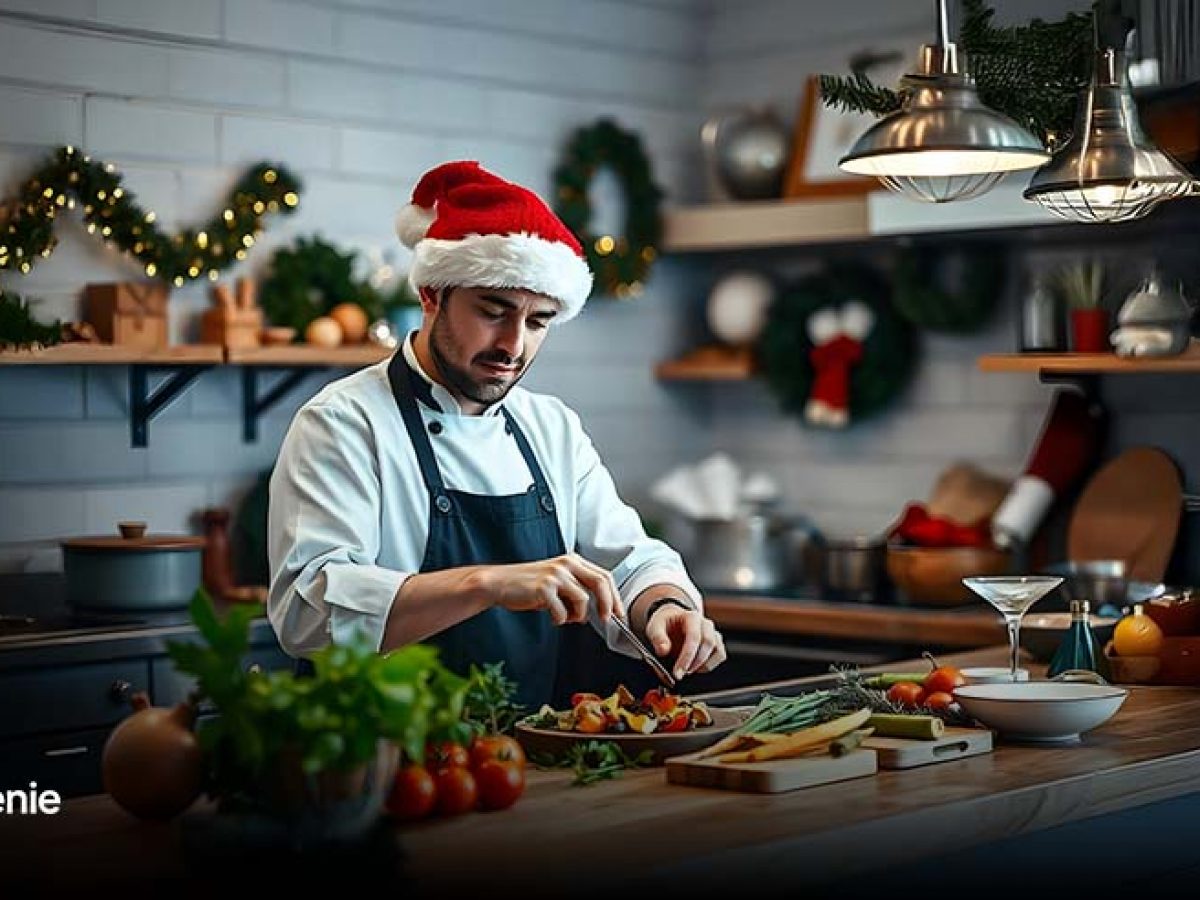
Why Some Hosts Are Hiring a Chef on Christmas Day
For some families, the next logical step has been to hire a chef for Christmas Day. Not as a statement, but as a practical decision.
The appeal isn’t just having someone cook. It’s having someone manage the entire food flow. Planning the menu. Timing each course. Handling the kitchen quietly in the background while the host stays present.
Hiring a chef doesn’t replace tradition. It protects it. Family recipes can still be honoured. Favorite flavors still appear on the table. The difference is that the host gets to participate instead of coordinate.
And perhaps most importantly, the day ends without exhaustion.
Hosting Is Becoming More About Presence Than Proof
There was a time when Christmas hosting was a test of endurance. The more you did, the more committed you appeared. That mindset is fading.
Modern hosts are prioritizing presence. Sitting with guests. Sharing stories. Enjoying the same moments everyone else will remember later. The goal is no longer to prove effort, but to create ease.
Food still matters. It always will. But it’s no longer the centre of the host’s attention. It’s part of a larger experience that values connection over complexity.
A Quiet Change That’s Here to Stay
This shift isn’t loud or flashy. It’s happening quietly, one Christmas at a time. Hosts are choosing support through CookinGenie. Guests are noticing calmer gatherings. And the day itself feels lighter.
Because the best Christmas Day memories aren’t made in the kitchen. They’re made at the table, where the host finally has a seat—often thanks to CookinGenie.
And that may be the biggest change of all.
