

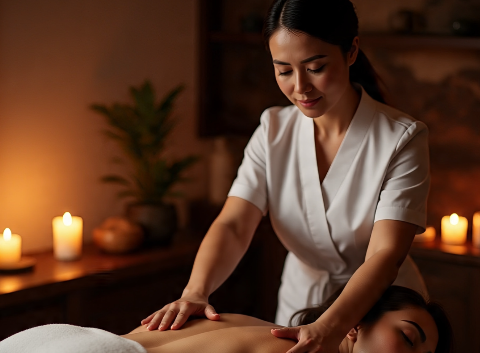
Daily stress, physical activity, and modern work demands can create tension in the body, leading to discomfort, stiffness, and fatigue. While short-term relaxation techniques offer temporary relief, massage therapy provides a long-term solution for maintaining body comfort and overall well-being. 의정부출장마사지 By addressing both muscles and the nervous system, massage helps release tension, improve circulation, and support sustained relaxation. Understanding how massage therapy works and its lasting benefits allows individuals to incorporate it effectively into their wellness routines.
Understanding How Massage Targets Muscle Tension
Muscle tension is a common result of physical activity, repetitive motions, or prolonged stress. Massage therapy addresses this tension by applying pressure, stretching, and kneading to affected areas. These techniques loosen tight muscle fibers, break up adhesions, and improve blood flow. The immediate effect is relief from stiffness and discomfort, allowing muscles to function more efficiently. Over time, regular massage prevents tension from accumulating, making it easier for the body to remain relaxed throughout daily activities.
The benefits go beyond the surface level. Deep tissue and targeted techniques not only improve flexibility but also restore proper alignment of muscle groups. This reduces the risk of injury and encourages more natural movement patterns. Individuals who consistently receive massage therapy often report smoother motion, fewer aches, and an overall sense of lightness in the body. By releasing tension at its source, massage supports both immediate comfort and long-term muscle health.
Improving Circulation and Nutrient Delivery
Proper circulation is essential for long-term body relaxation and overall health. Massage stimulates blood flow to muscles, joints, and organs, ensuring that tissues receive adequate oxygen and nutrients. Enhanced circulation also helps remove metabolic waste, reducing inflammation and promoting faster recovery. This process allows the body to stay energized, reduces fatigue, and improves the ability to cope with daily physical demands. Over time, regular massage ensures that the body remains nourished and relaxed.
In addition to blood circulation, massage benefits the lymphatic system, which is crucial for detoxification and immune function. Gentle manipulations help move lymph fluid, eliminating toxins and supporting overall wellness. Improved lymphatic and blood flow also reduces swelling and prevents stiffness from building up in the muscles. This dual effect contributes to long-term relaxation and resilience, making the body less prone to tension-related discomfort.
Activating the Nervous System for Lasting Calm
The nervous system plays a major role in how the body experiences tension and relaxation. Stress activates the sympathetic nervous system, which increases heart rate, muscle tightness, and alertness. Massage therapy stimulates the parasympathetic nervous system, which lowers heart rate, reduces stress hormones, and promotes a sense of calm. This allows muscles to release tension more easily and provides a mental state conducive to relaxation. Individuals often notice a lasting sense of ease after consistent sessions.
Beyond immediate relaxation, activating the parasympathetic system has long-term benefits for the body. Lower stress hormone levels reduce chronic fatigue, improve sleep quality, and enhance emotional stability. By addressing the nervous system alongside muscular tension, massage therapy creates a holistic approach to long-term relaxation. Over time, this combined effect supports resilience against daily stressors and promotes sustainable physical and mental comfort.
Enhancing Flexibility and Joint Mobility
Limited flexibility and joint stiffness can contribute to ongoing tension and discomfort. Massage therapy improves the elasticity of muscles and connective tissues, allowing joints to move more freely. This prevents strain on ligaments and cartilage and supports proper posture and alignment. Individuals with regular massage sessions often notice improved range of motion, making everyday activities such as bending, lifting, and reaching more comfortable. Increased flexibility also reduces the likelihood of developing tension-related injuries over time.
Massage not only targets current stiffness but also prevents future limitations. By maintaining healthy muscle and joint function, the body can handle physical challenges without accumulating stress. Proper flexibility and mobility promote balanced movements, reduce fatigue, and contribute to a natural sense of lightness and relaxation. This long-term benefit ensures that individuals can maintain comfort and ease in their daily lives, even with physically demanding routines.
Reducing Mental Fatigue and Enhancing Mind-Body Connection
Tension in the body often mirrors mental stress, and vice versa. Massage therapy addresses both by promoting relaxation of muscles and stimulating calming responses in the brain. The mind-body connection is strengthened as mental tension decreases, which in turn allows muscles to release stress more effectively. Many individuals experience improved focus, emotional balance, and reduced mental fatigue following regular massage sessions, reinforcing the benefits of physical relaxation.
Over time, developing awareness of how the body responds to tension helps individuals prevent stress buildup. Mindfulness and body awareness gained through massage encourage proactive measures, such as stretching, adjusting posture, or seeking regular sessions to maintain relaxation. 양주출장안마 This holistic approach to long-term body comfort ensures that both physical and mental wellness are supported simultaneously, creating a sustainable routine for stress management and daily ease.
Supporting Long-Term Wellness and Lifestyle Balance
The greatest advantage of massage therapy lies in its cumulative effects over time. One session provides temporary relief, but consistent therapy promotes sustainable health benefits. Regular massage supports muscle recovery, reduces chronic tension, improves circulation, and enhances joint function. This allows the body to cope better with physical and mental stressors, maintaining a state of comfort and resilience in the long term.
Additionally, massage contributes to emotional stability and improved sleep, both of which are vital for overall wellness. People who make massage a part of their lifestyle often report better performance in daily activities, reduced aches, and a calmer mental state. By combining physical, mental, and emotional benefits, massage therapy becomes an essential practice for maintaining long-term relaxation and balanced health, helping individuals manage the demands of modern life effectively.
